

Thousand Pillars Temple
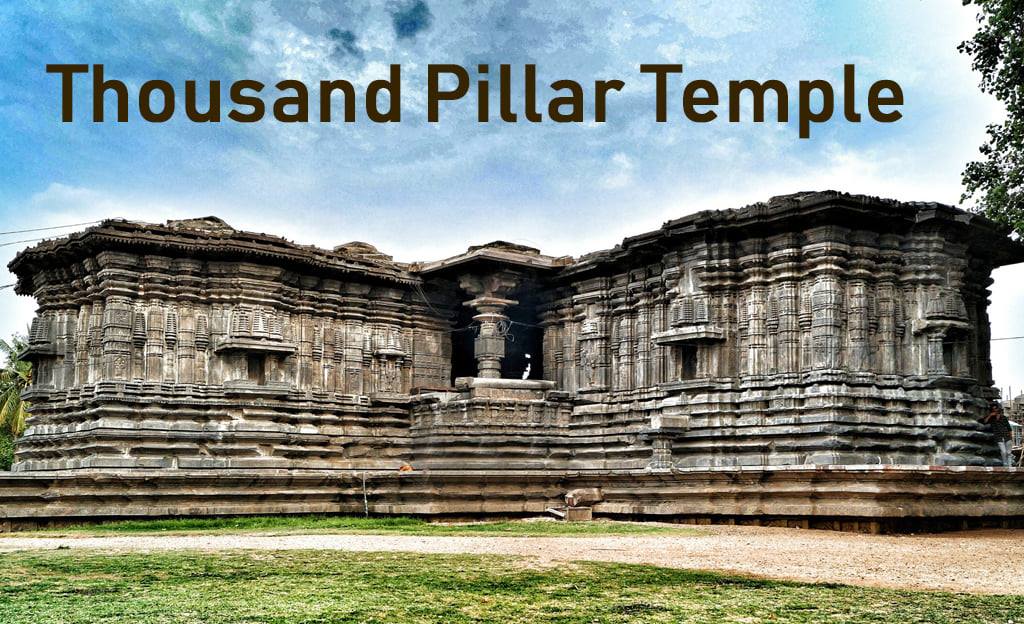
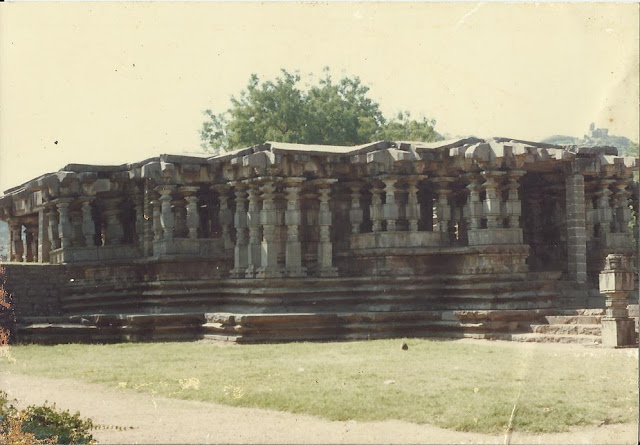
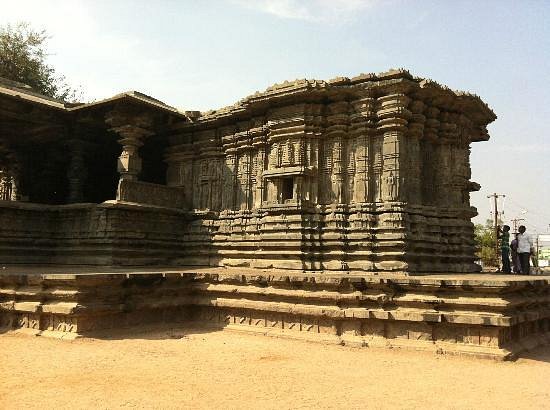
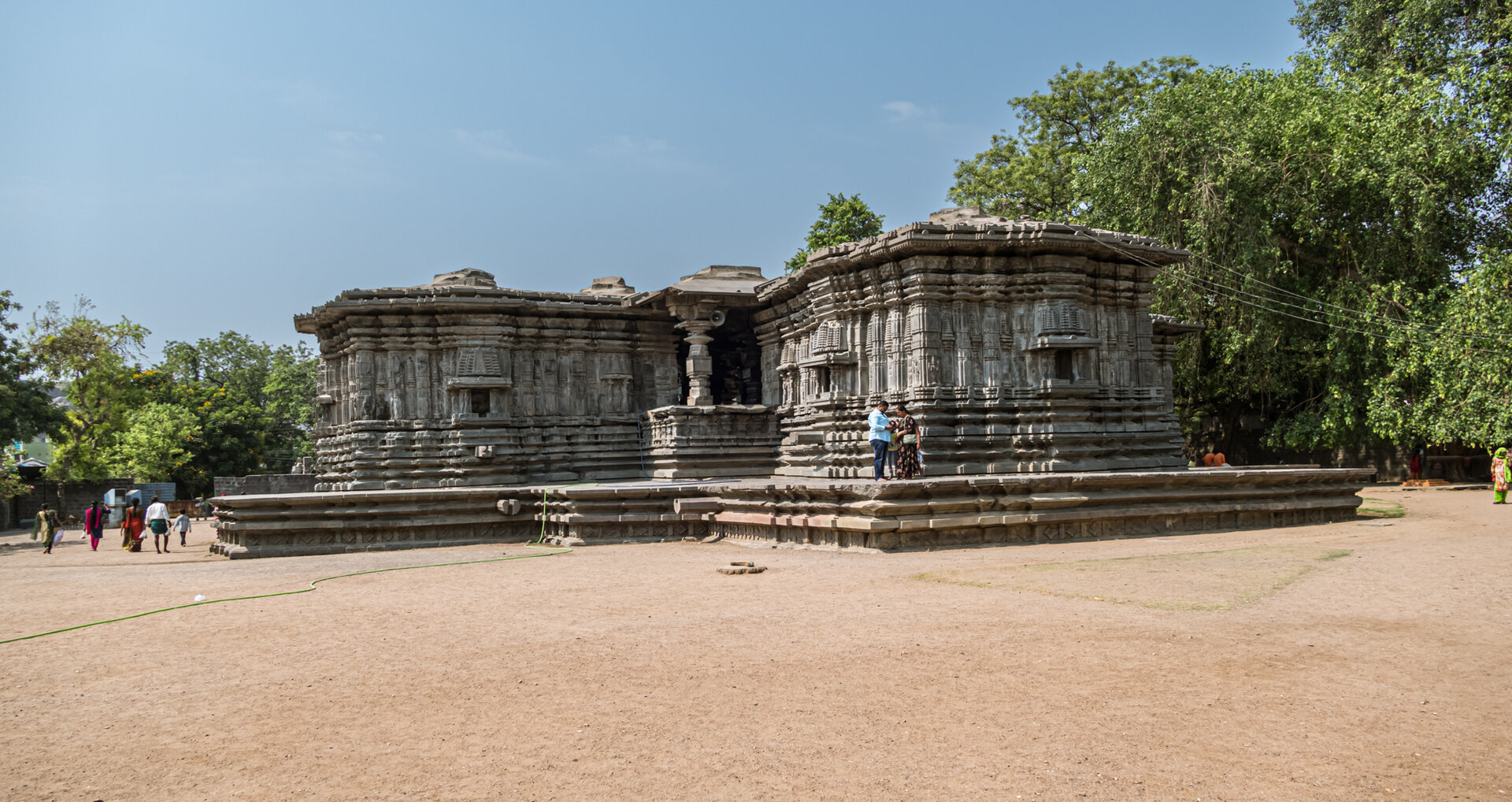
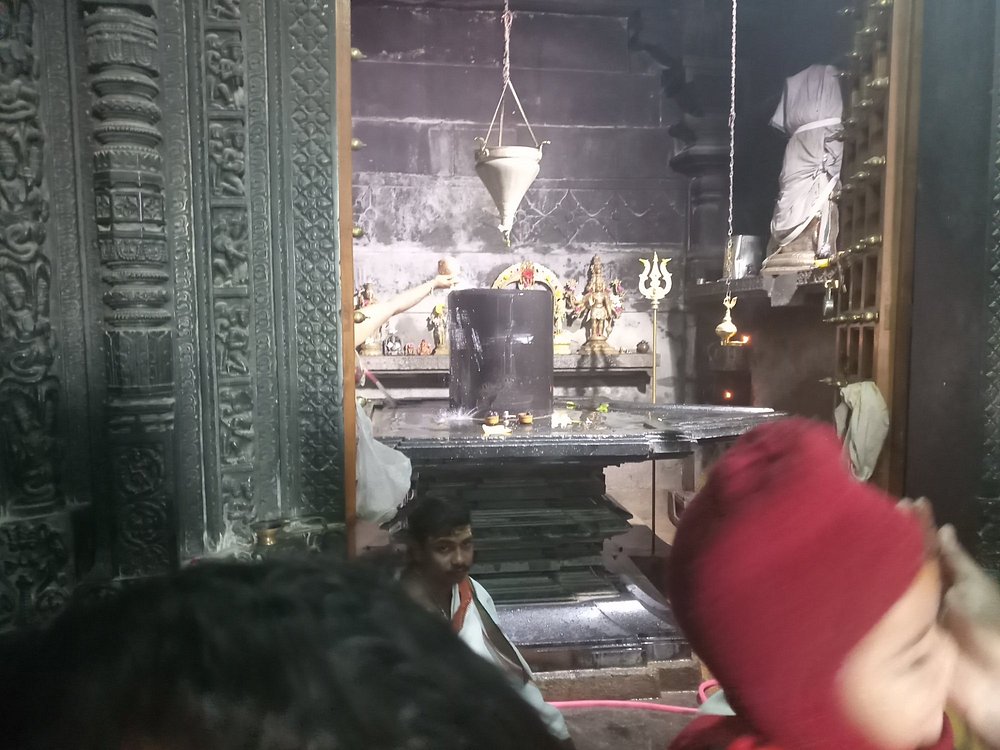
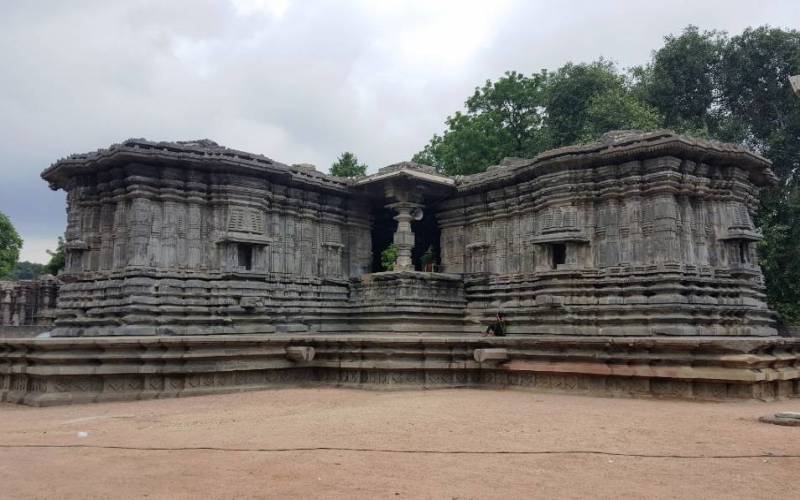
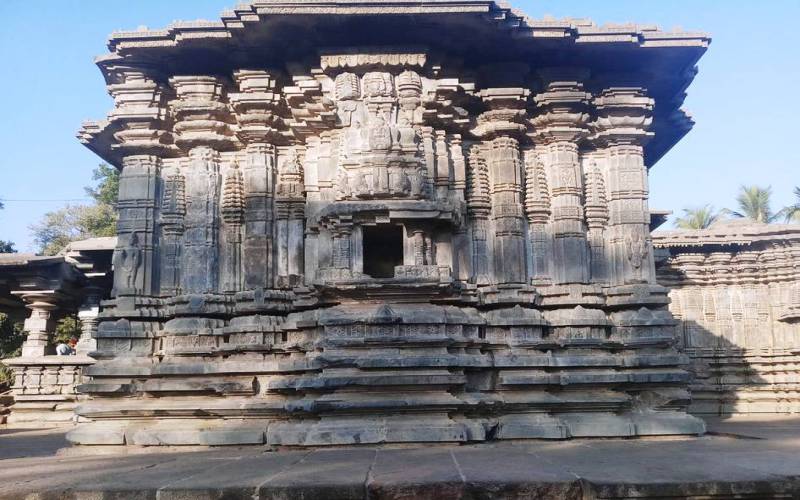
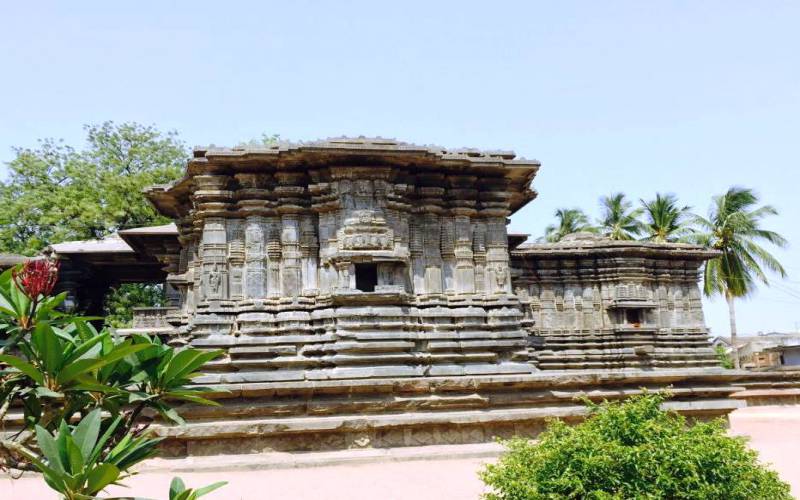
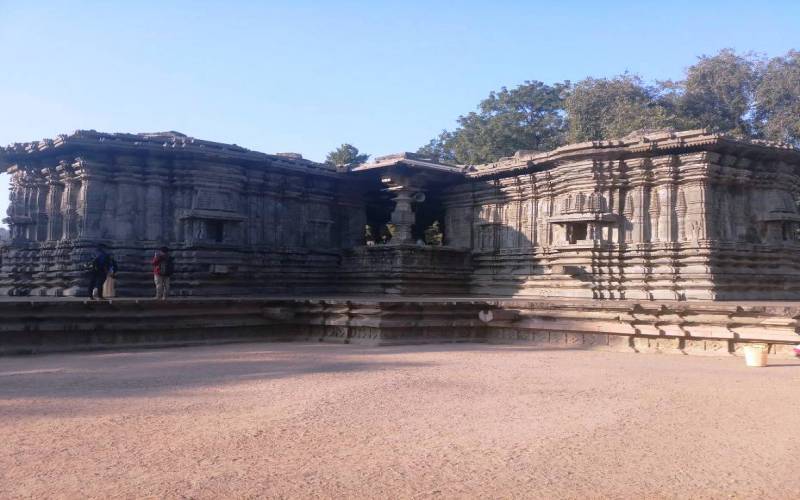
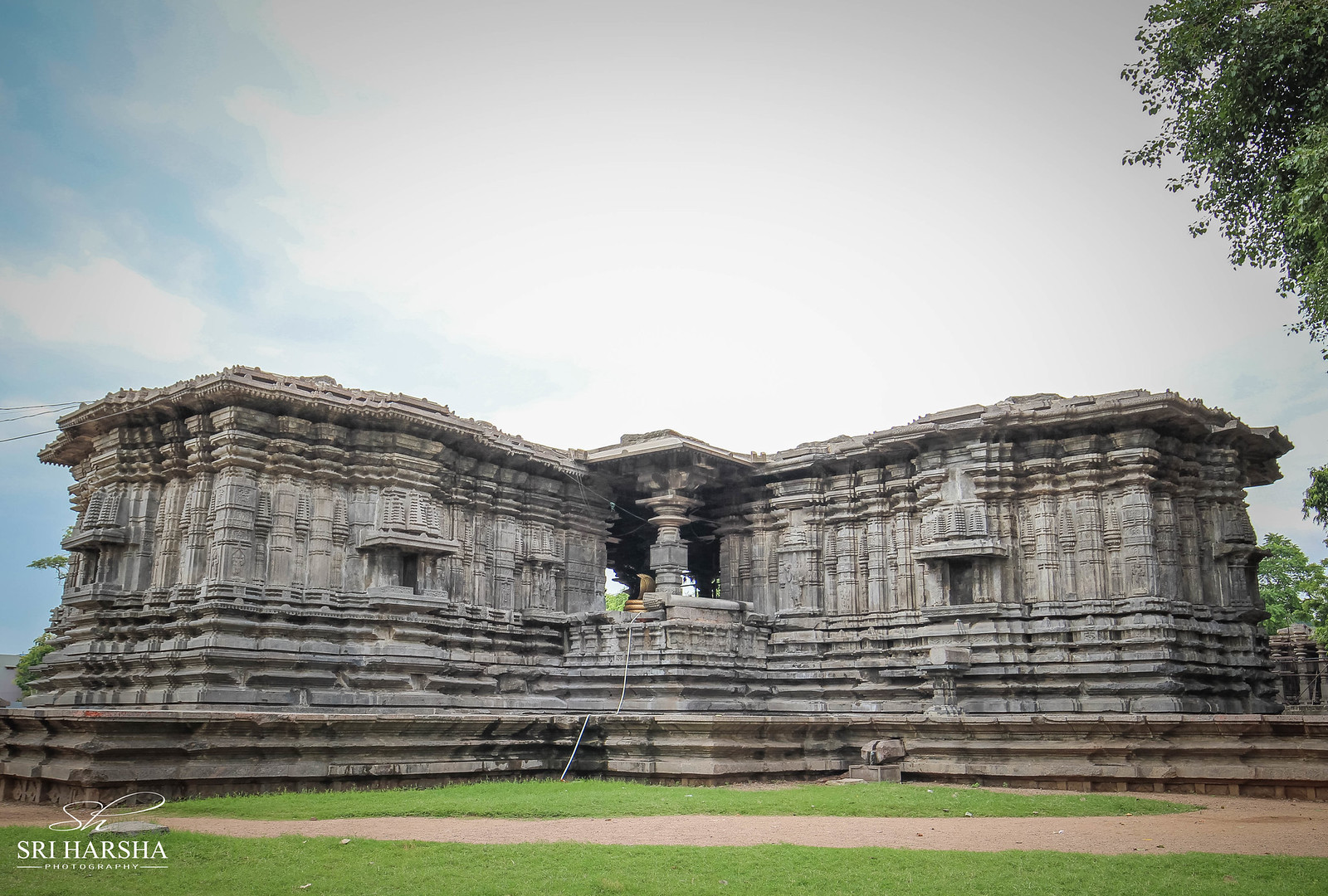
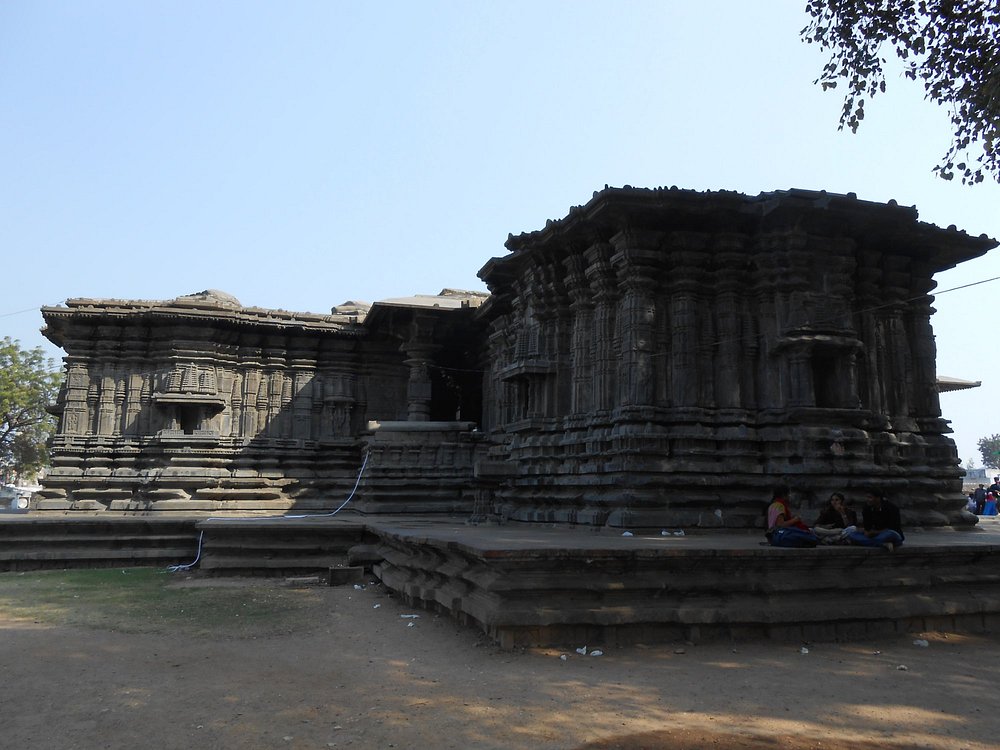
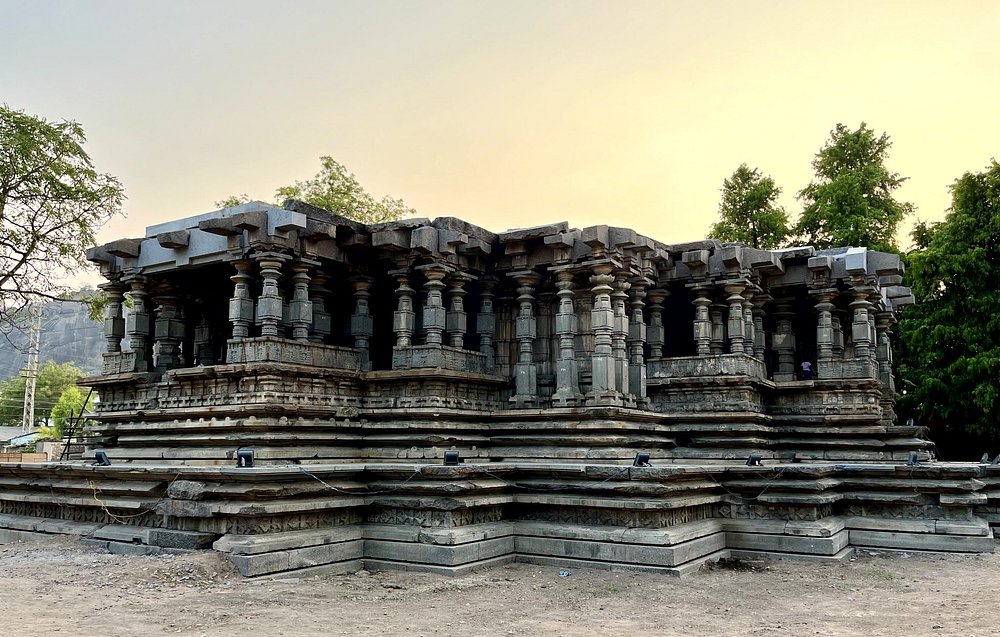
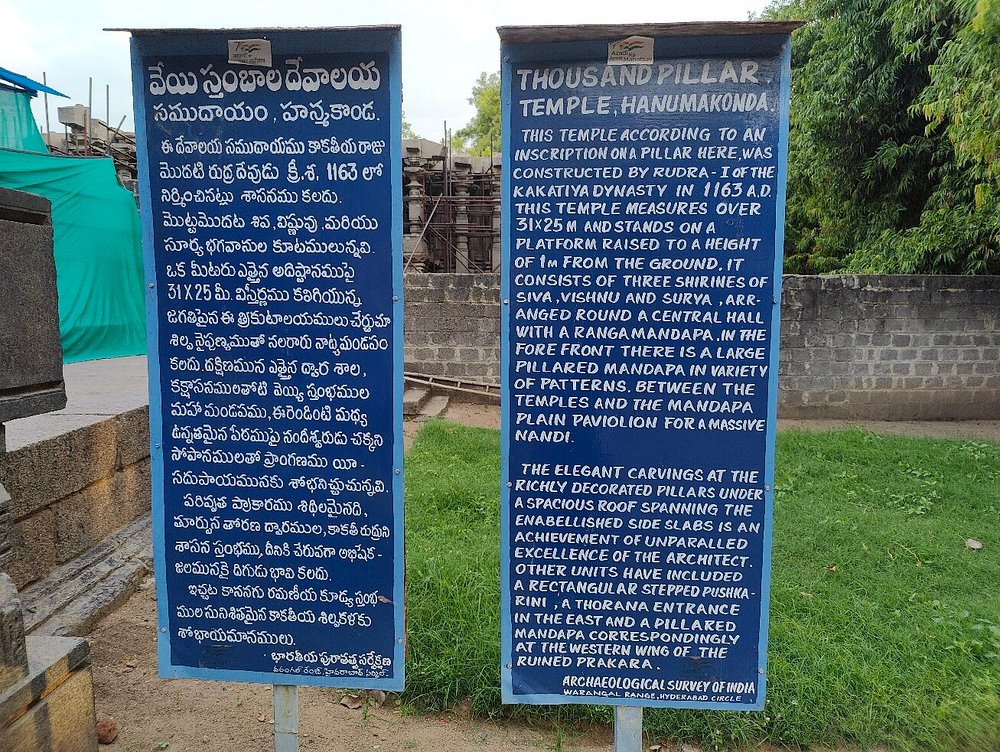
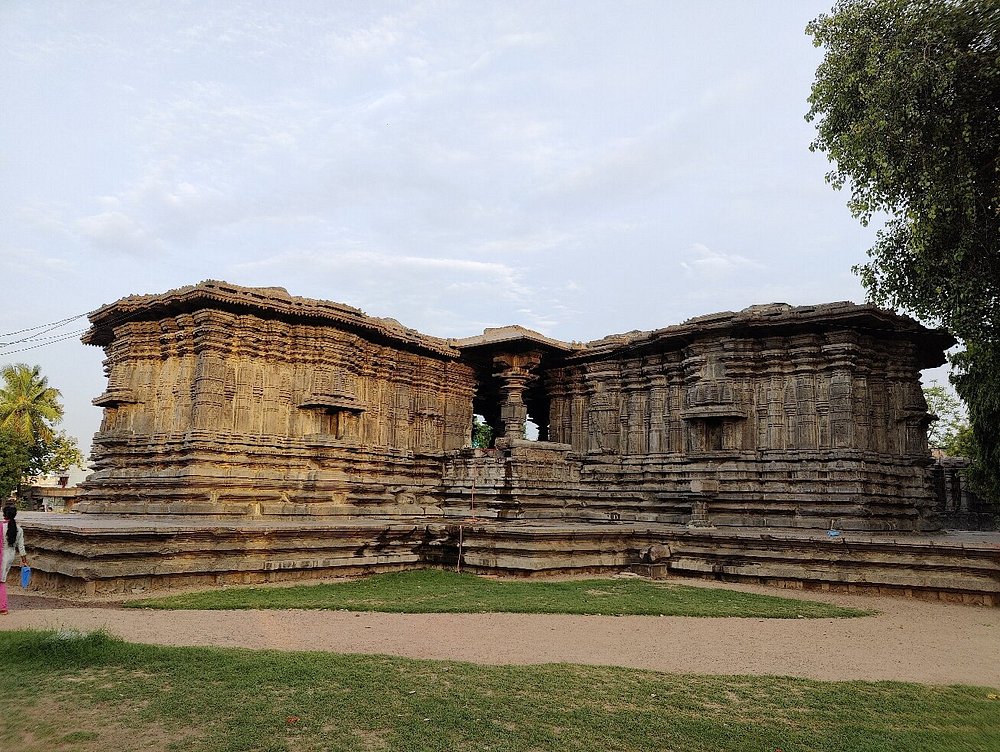
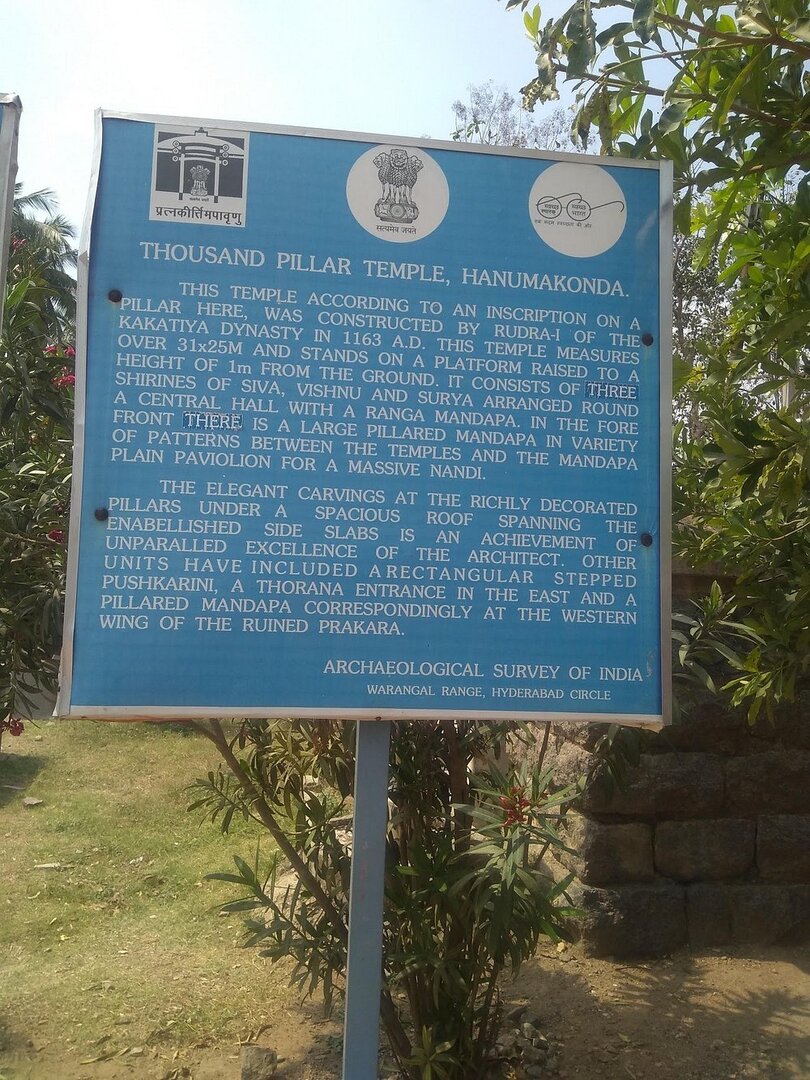
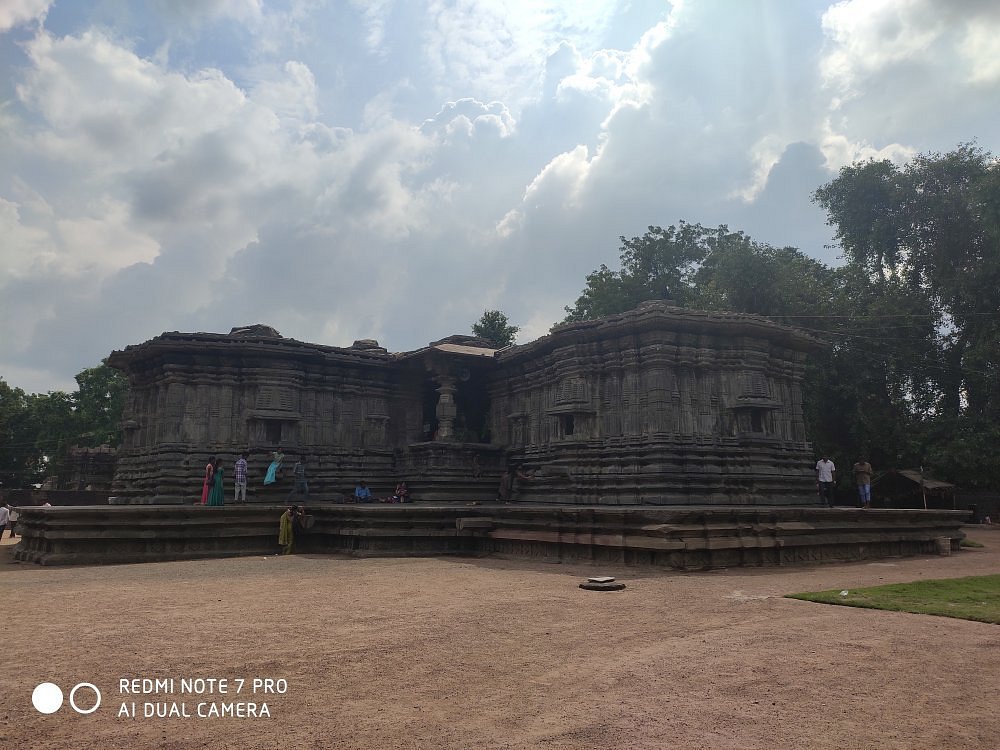
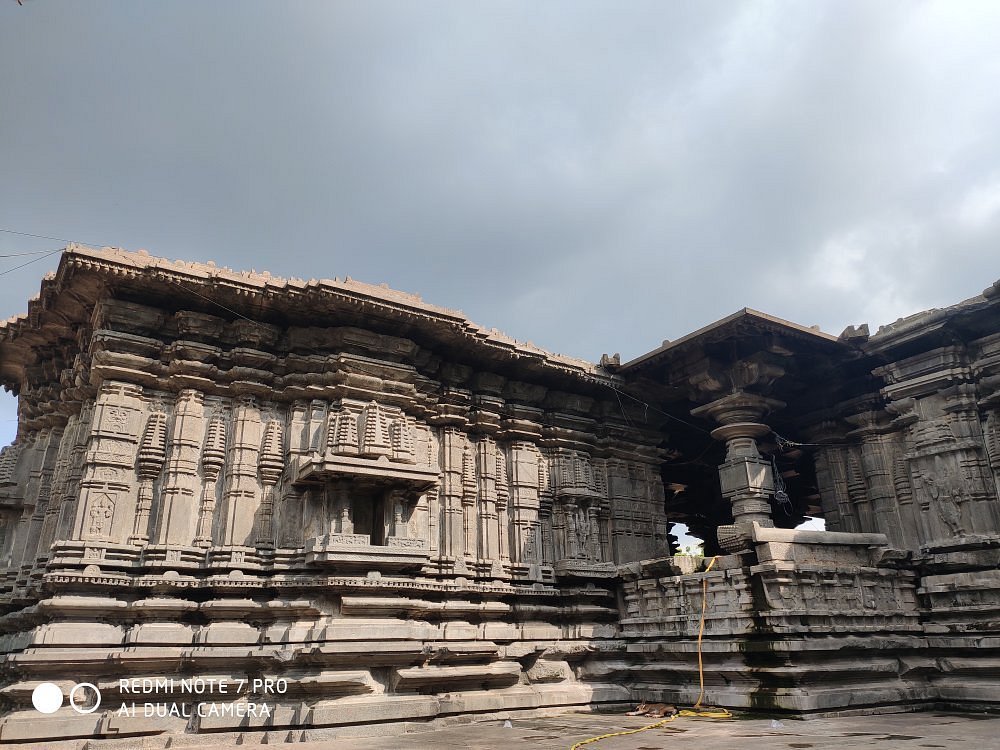
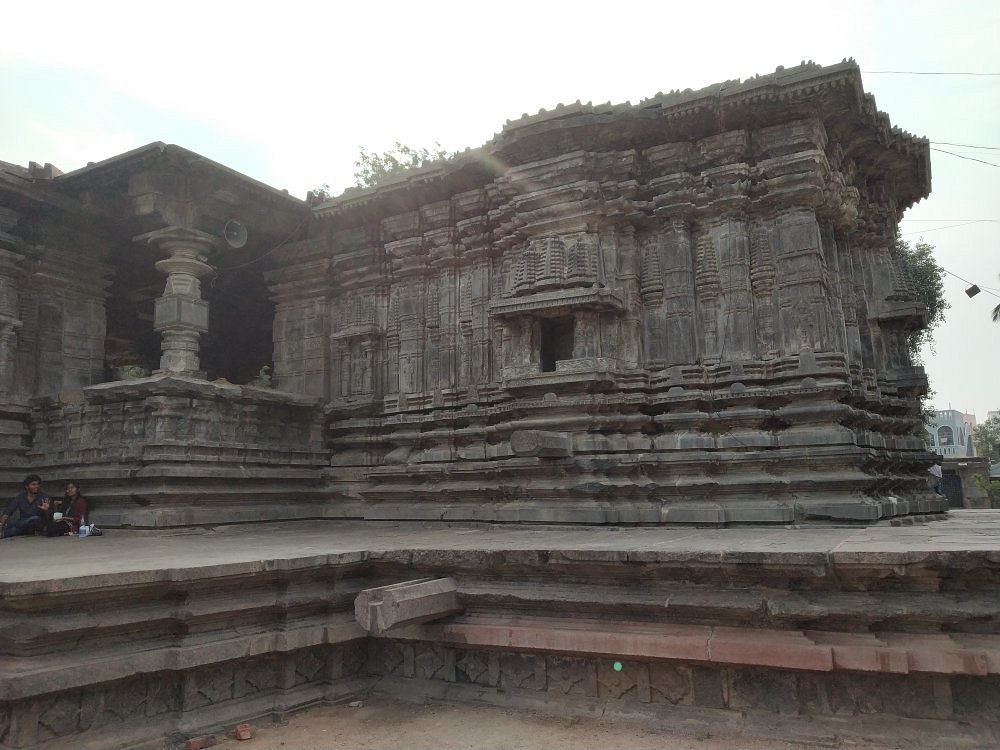
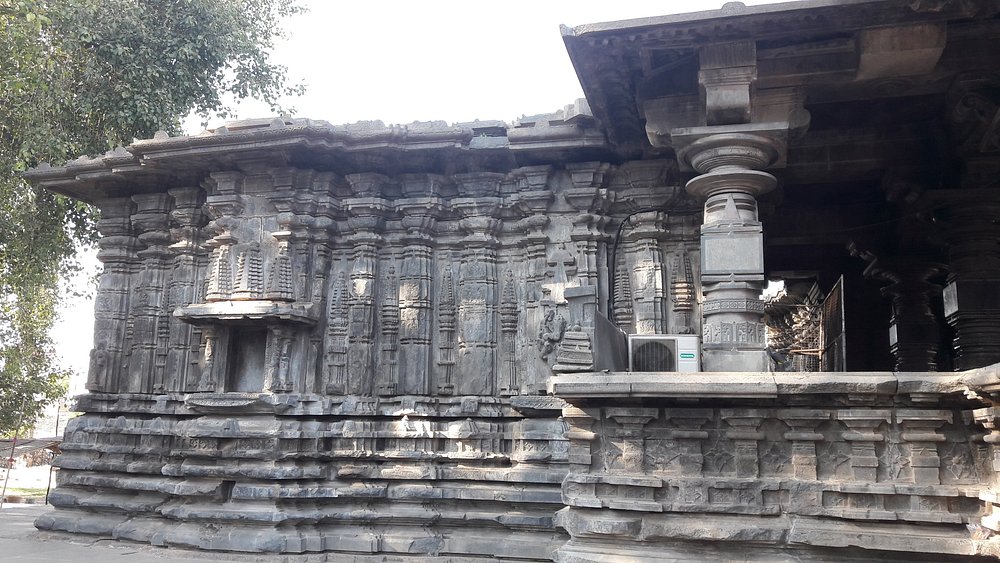
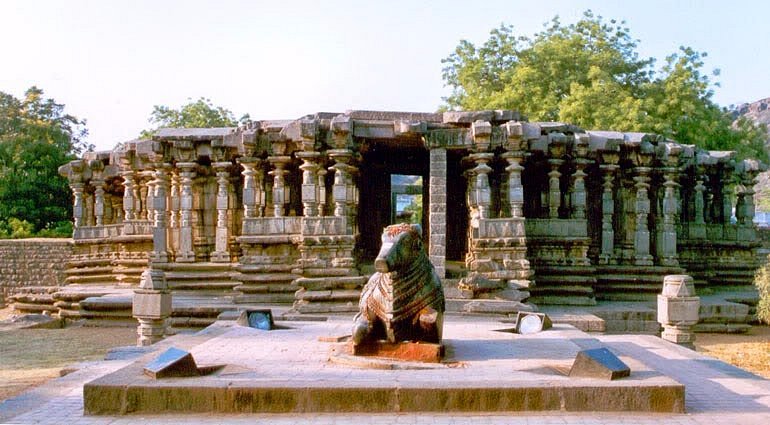
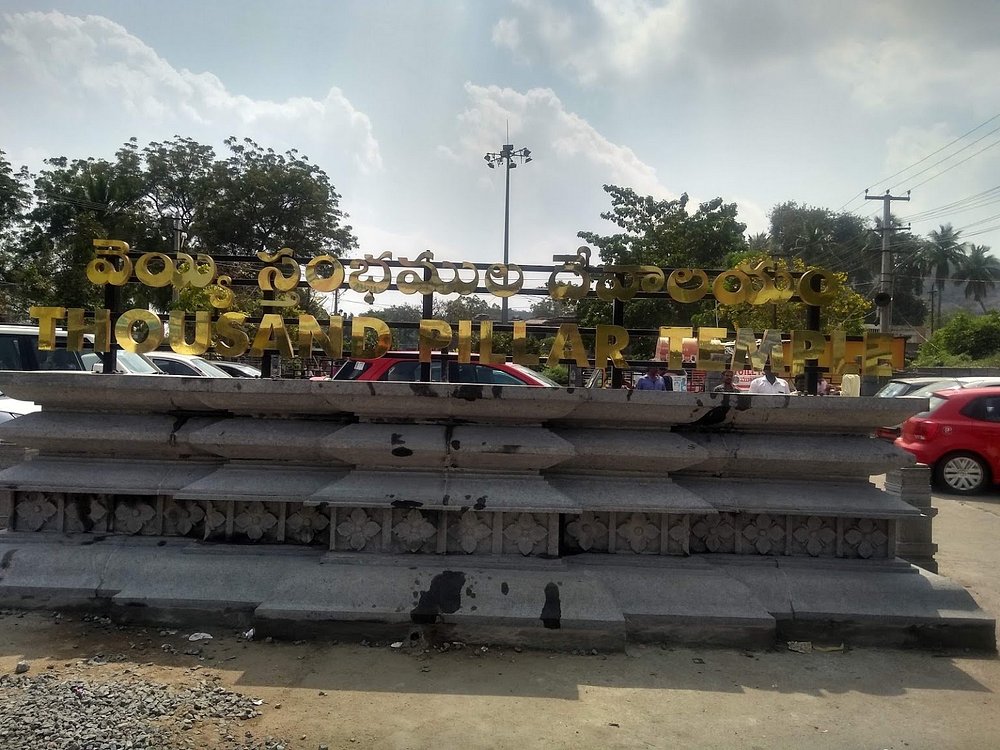
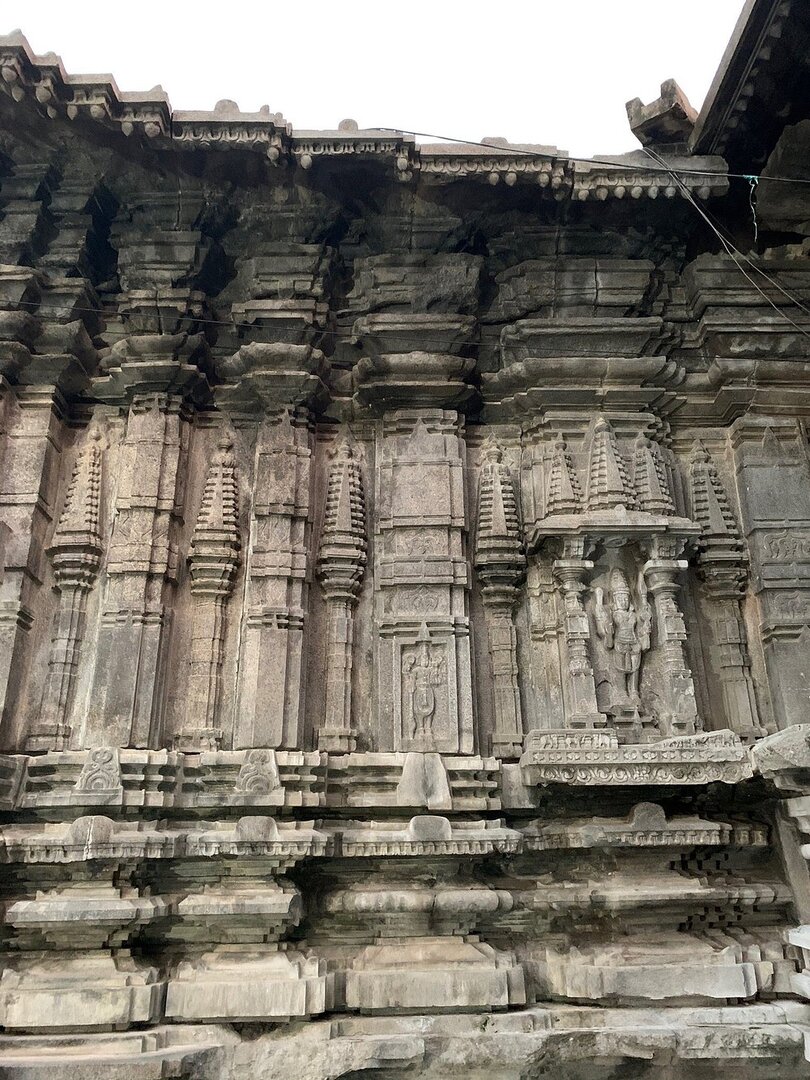
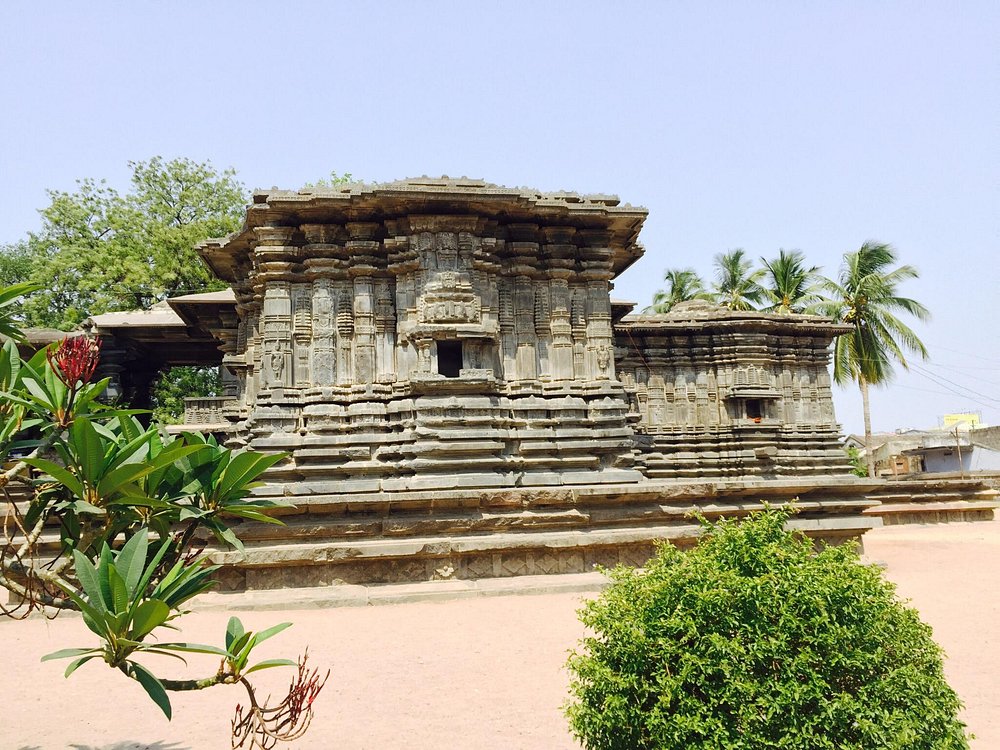
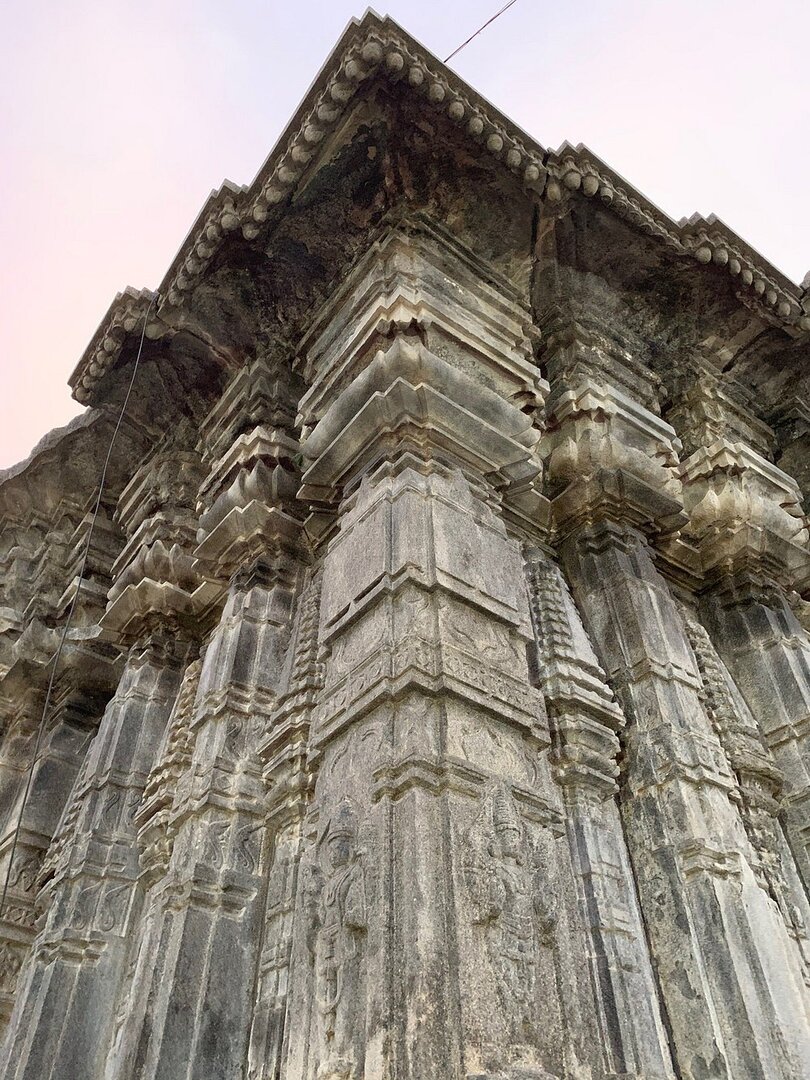
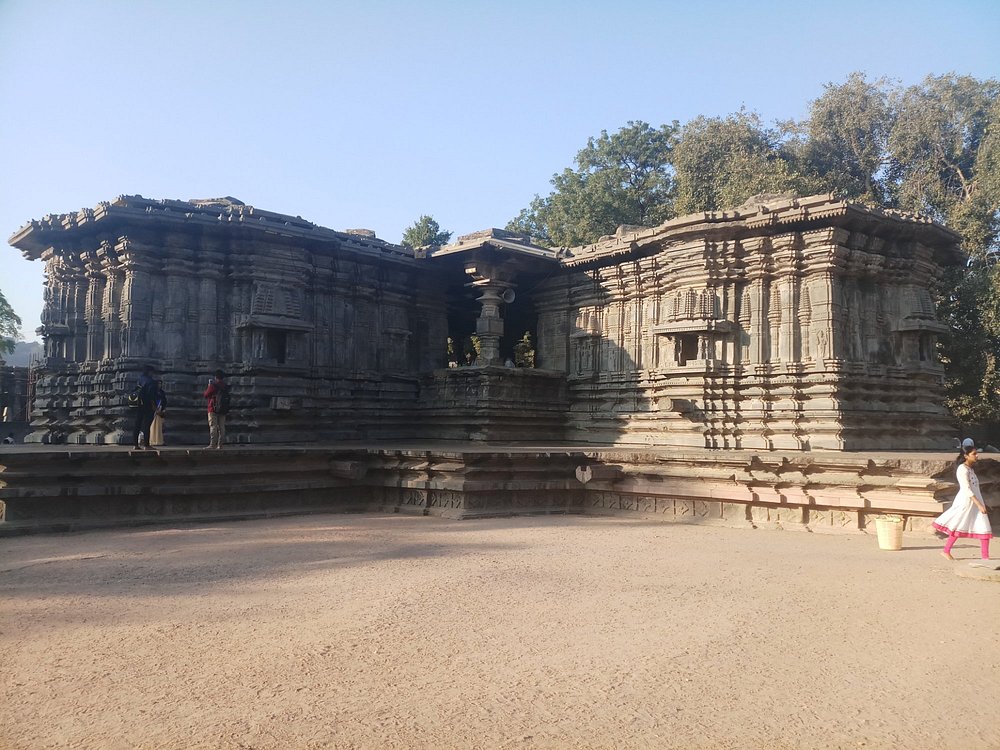
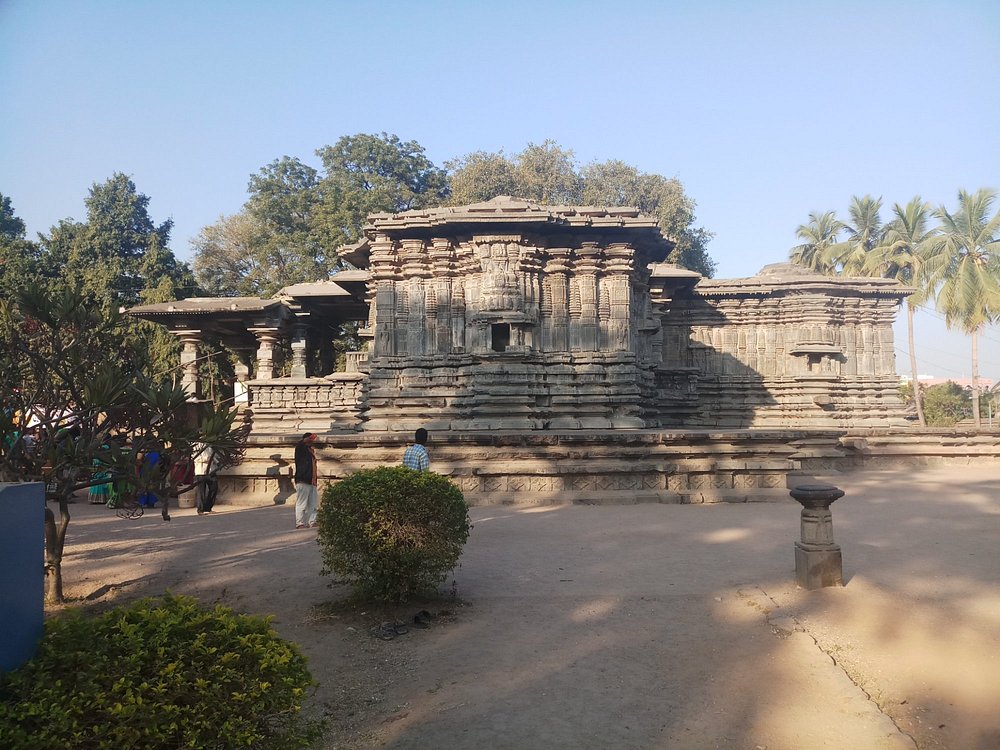
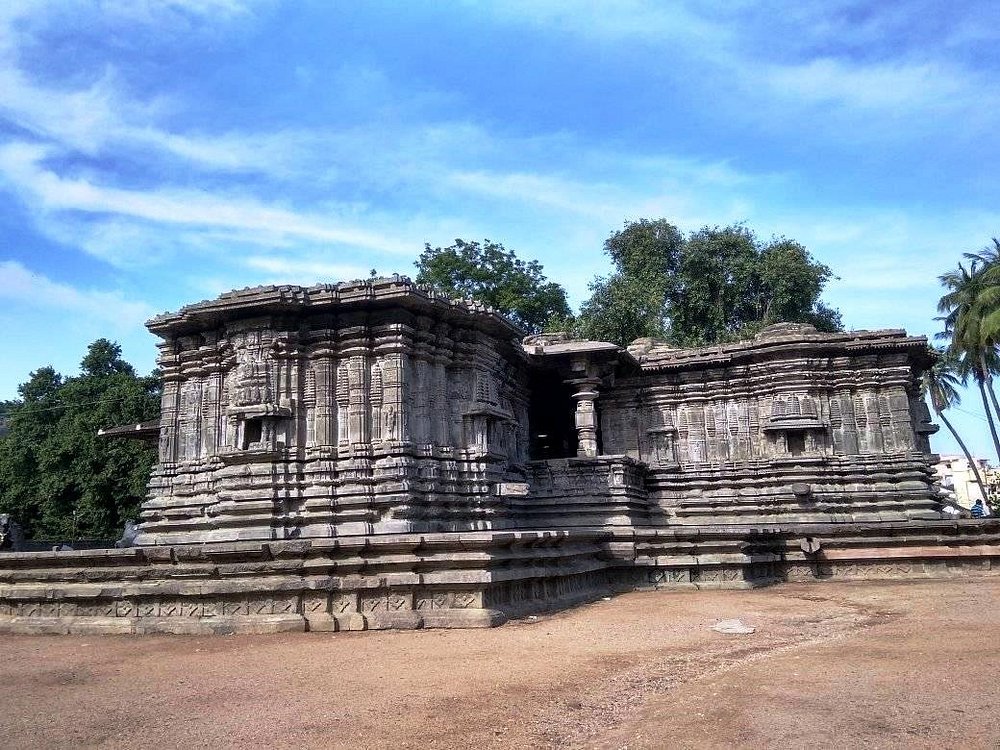
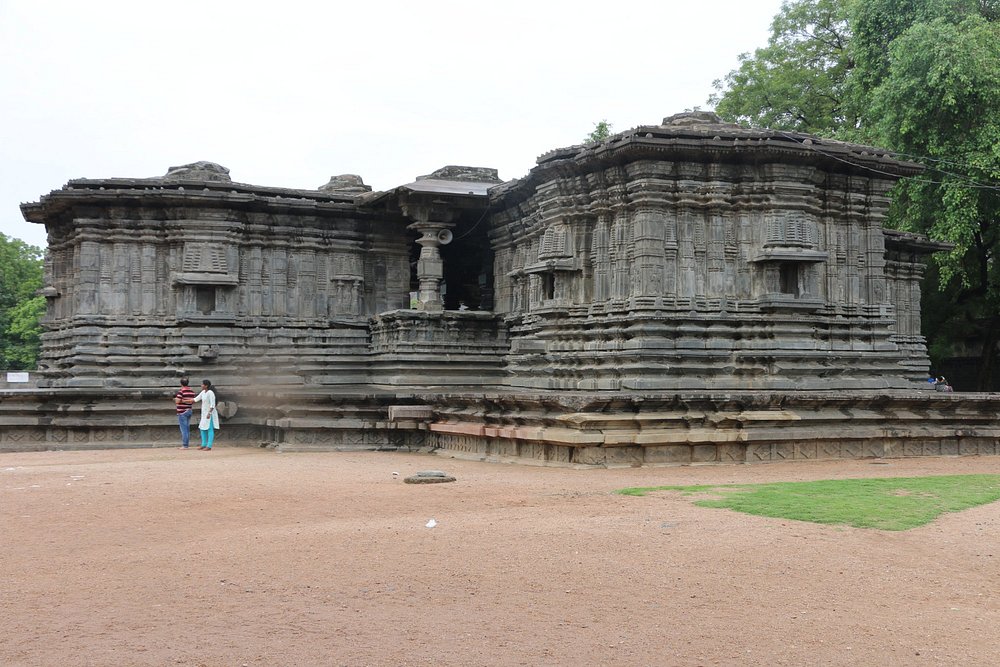
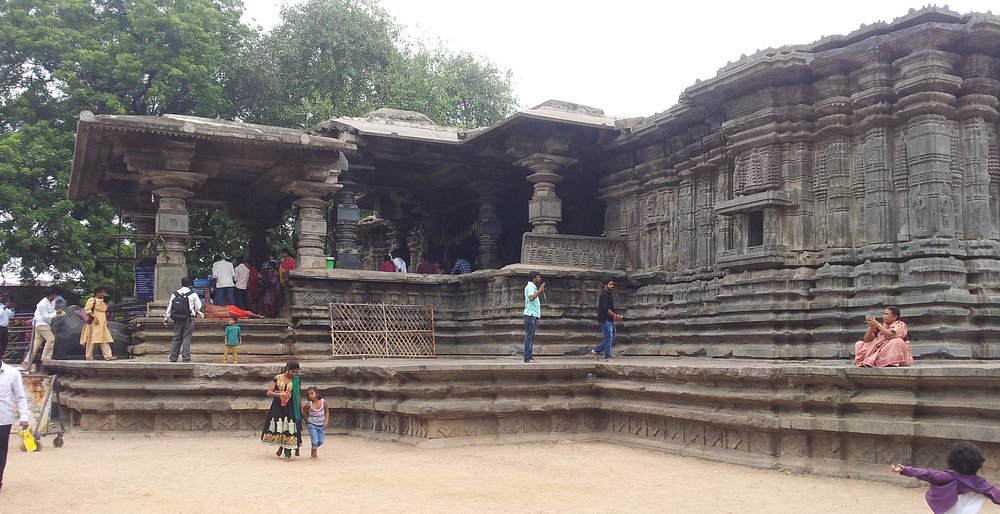
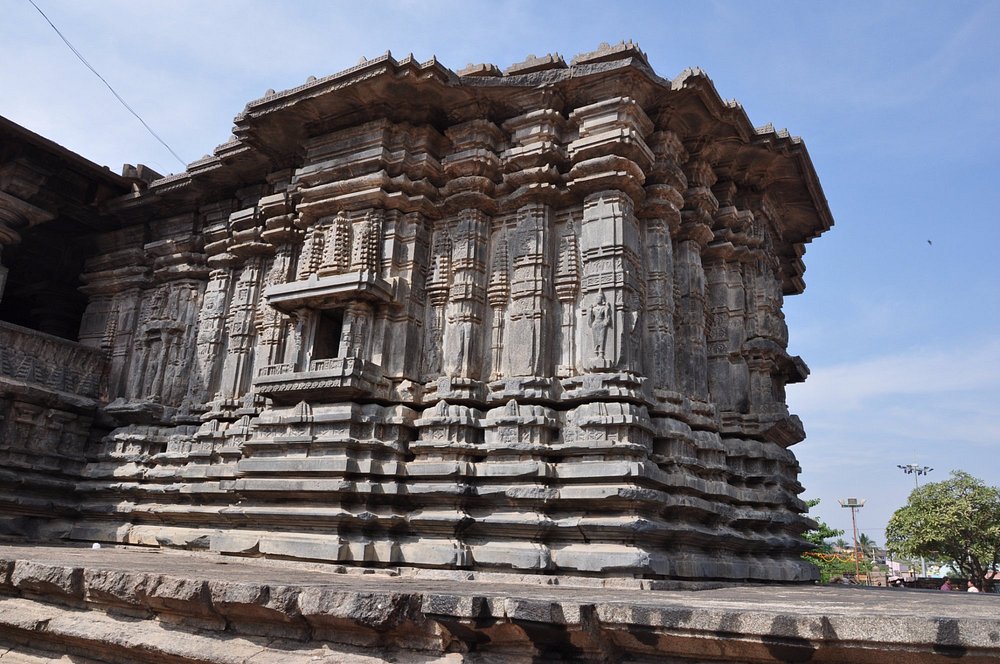
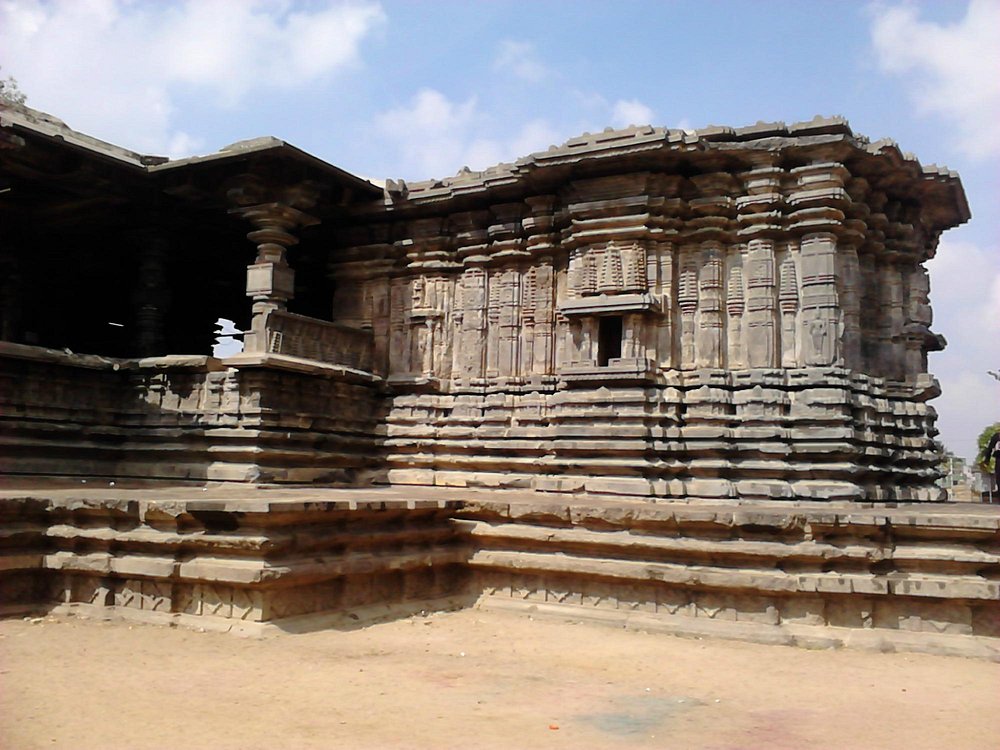
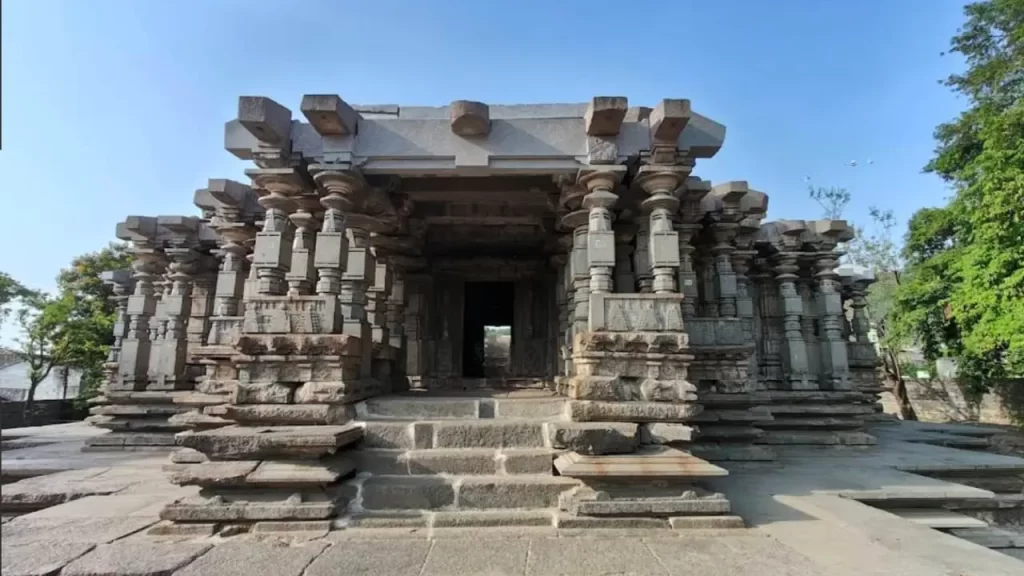
One of the most iconic and historically significant landmarks in Warangal is the Thousand Pillars Temple, located at the foothills of Hanamkonda Hill. This magnificent temple was built in the 12th century by the Kakatiya king Rudra Deva and stands as a remarkable example of the architectural brilliance of the Kakatiya dynasty. The temple is primarily dedicated to Lord Shiva and is also popularly known as the Sri Rudreshwara Swamy Temple.
The temple is unique in its design as it follows the Trikutalayam style, meaning it houses three sanctums dedicated to Lord Shiva, Lord Vishnu, and Lord Surya (the Sun God). Each deity has a separate shrine within the temple complex, reflecting the harmonious worship traditions of that period.
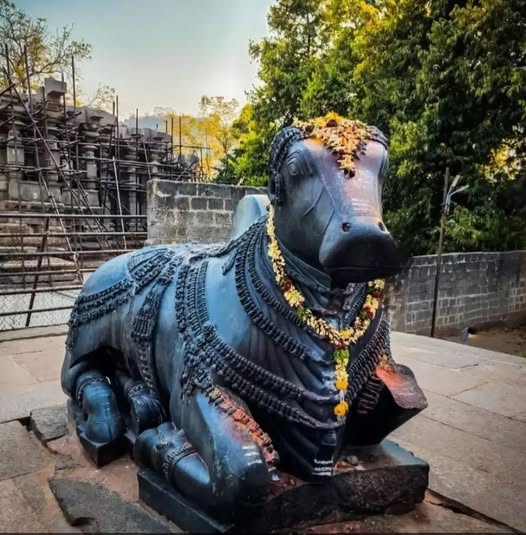
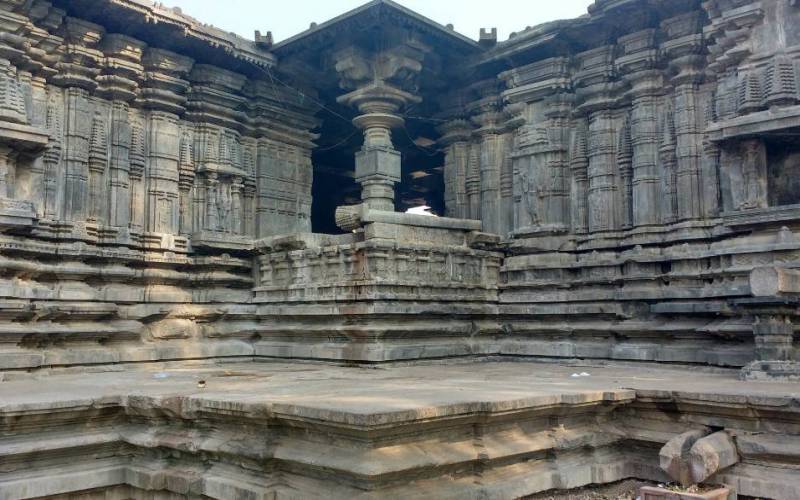
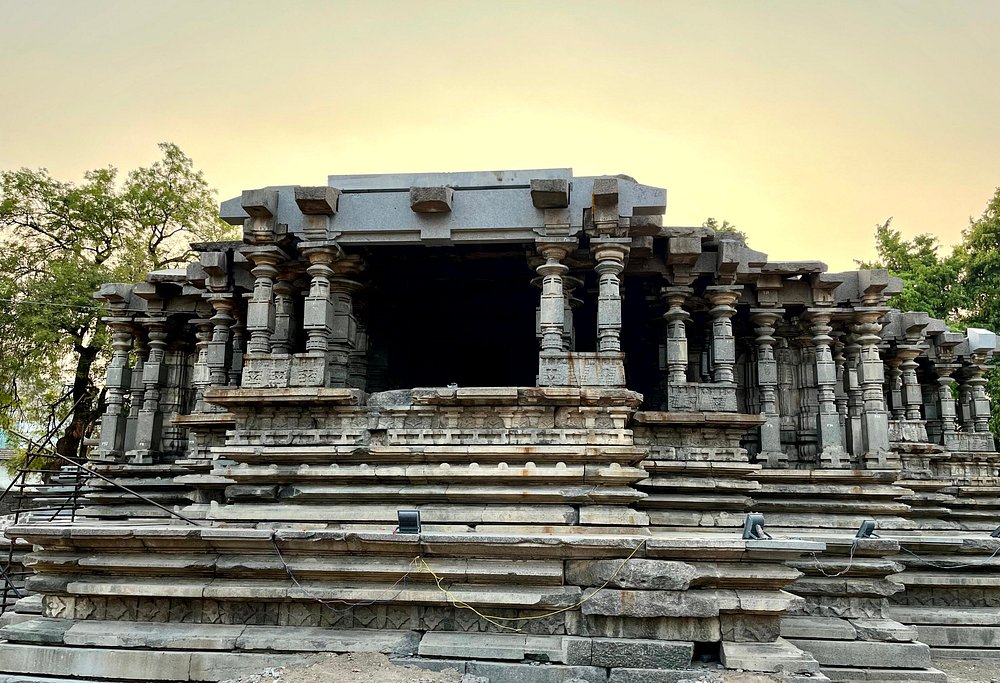
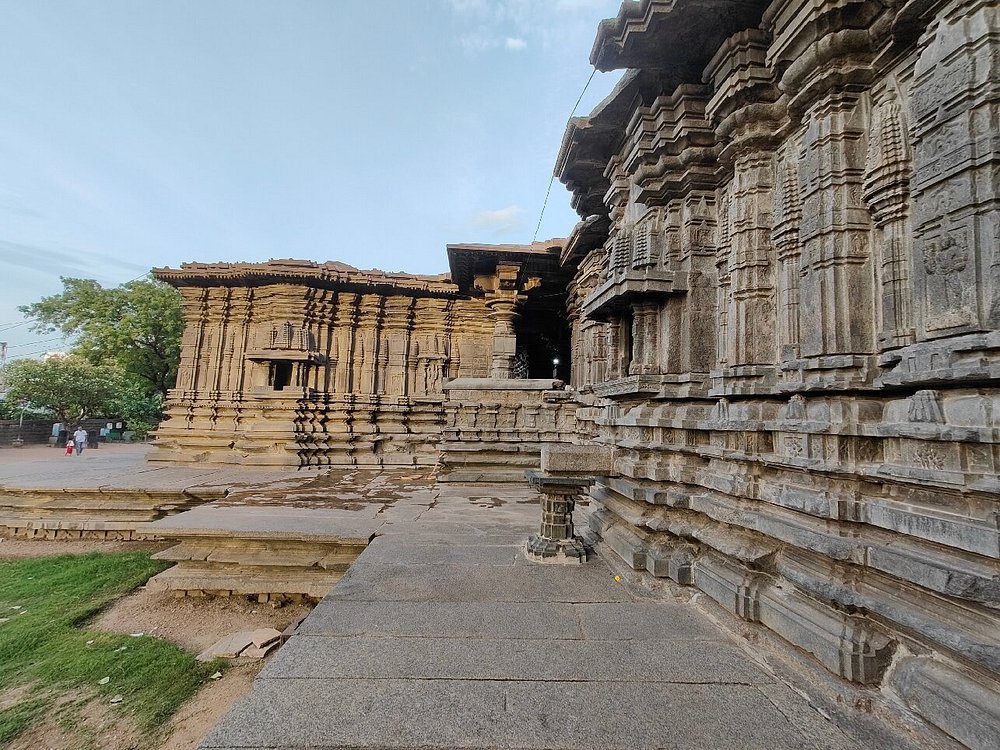
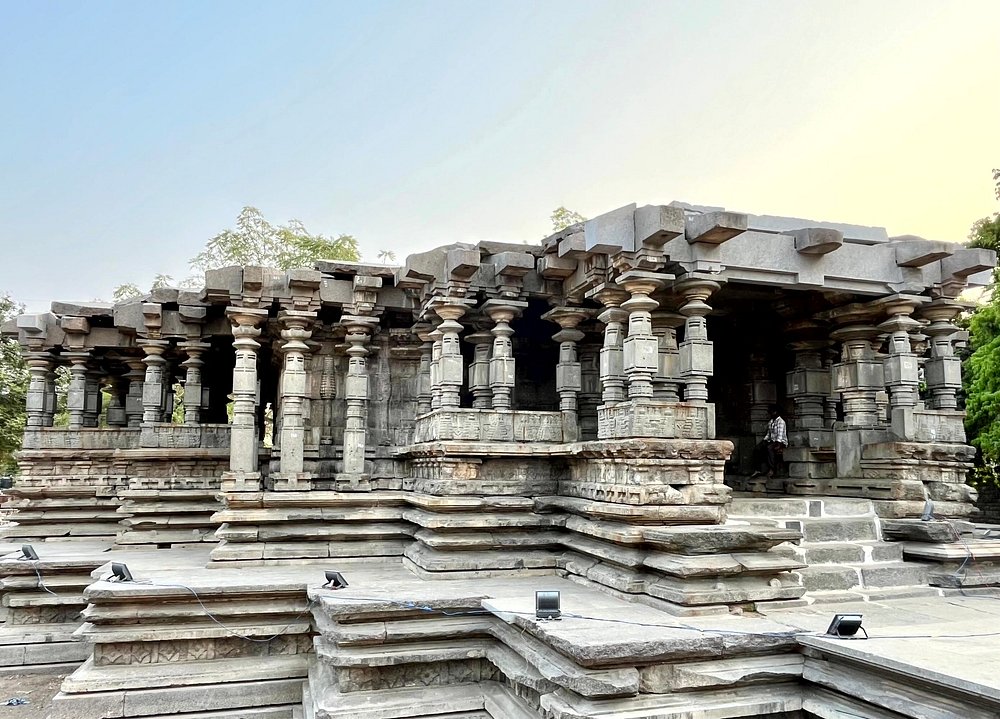
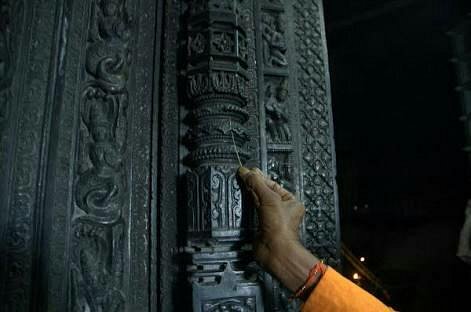
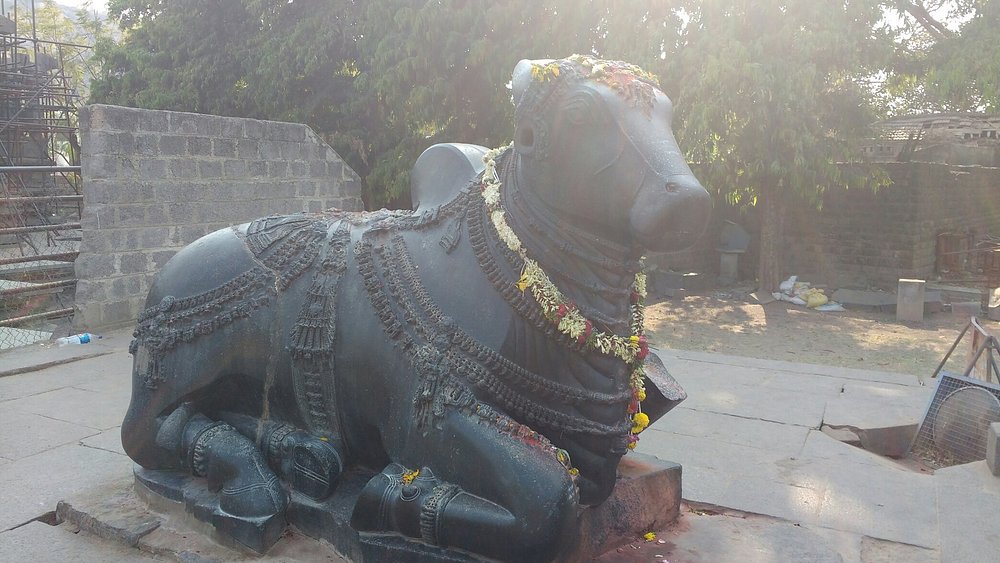
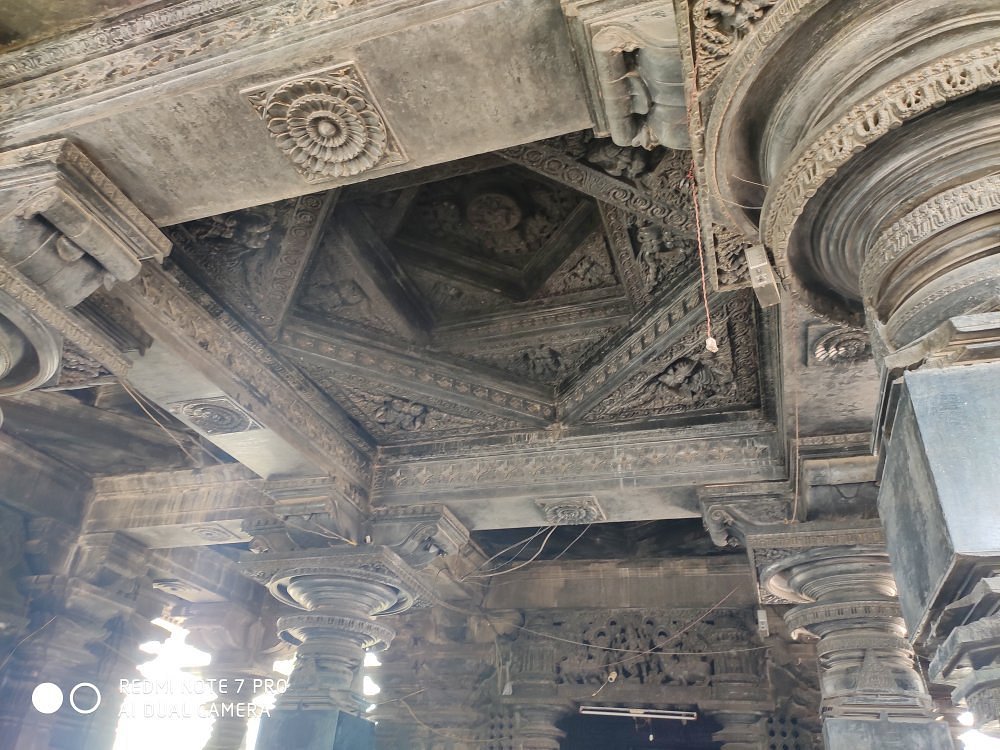
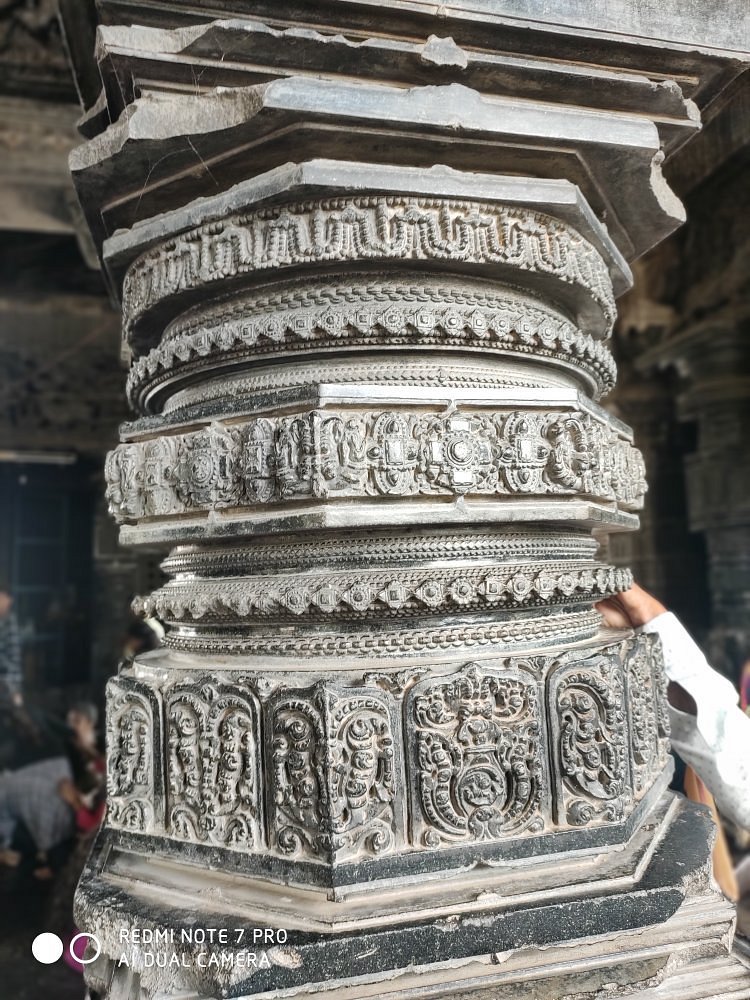
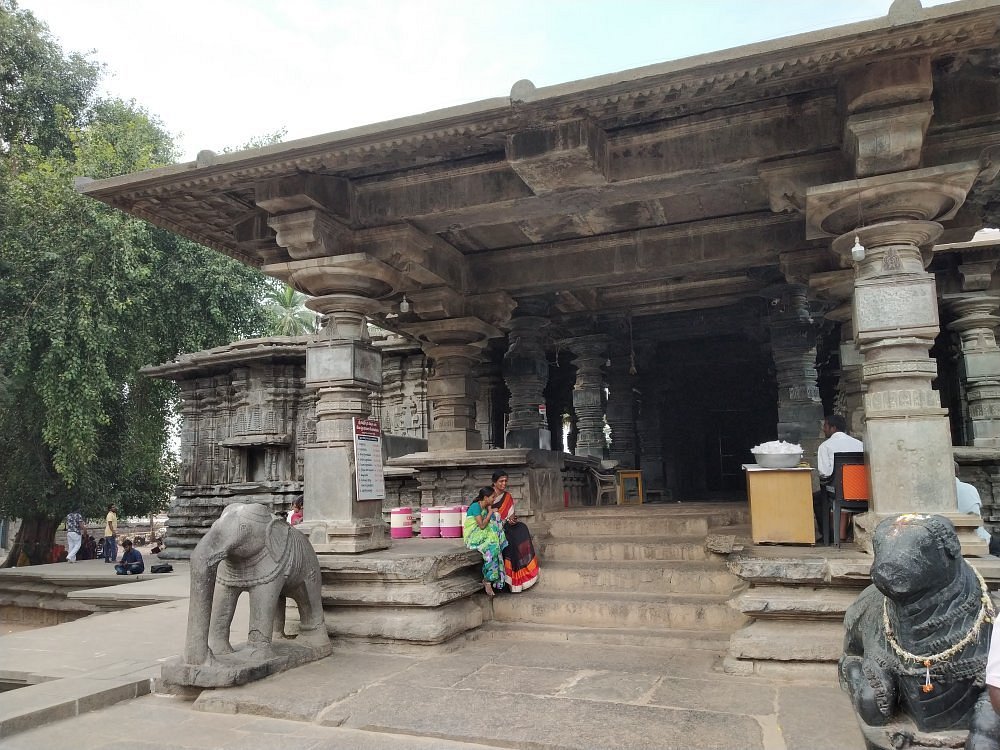
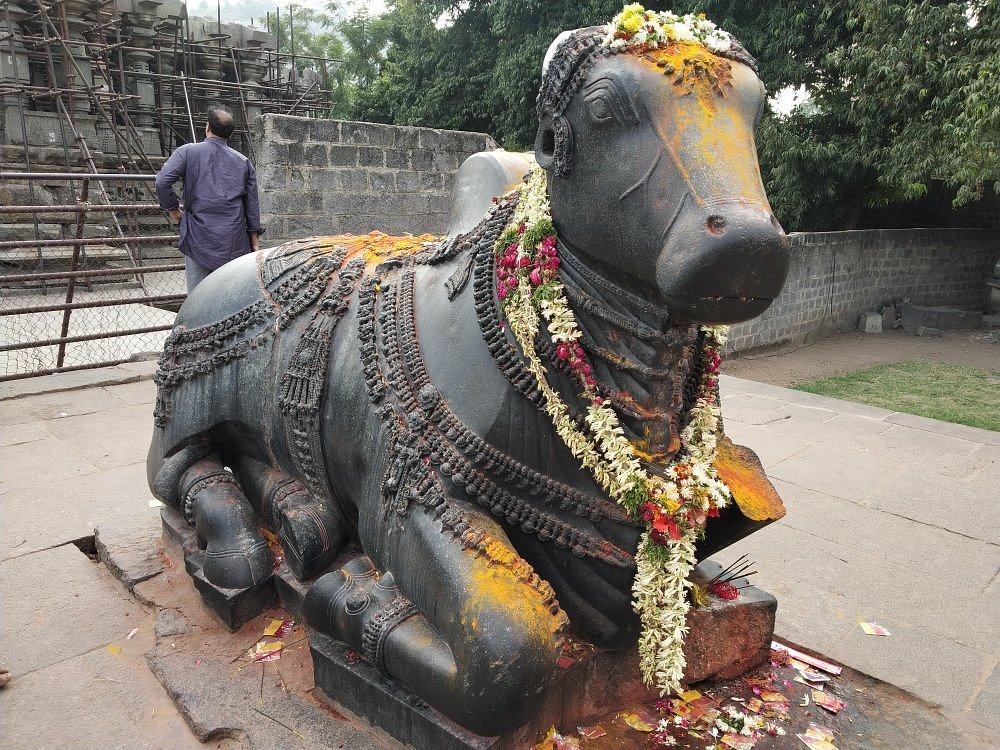
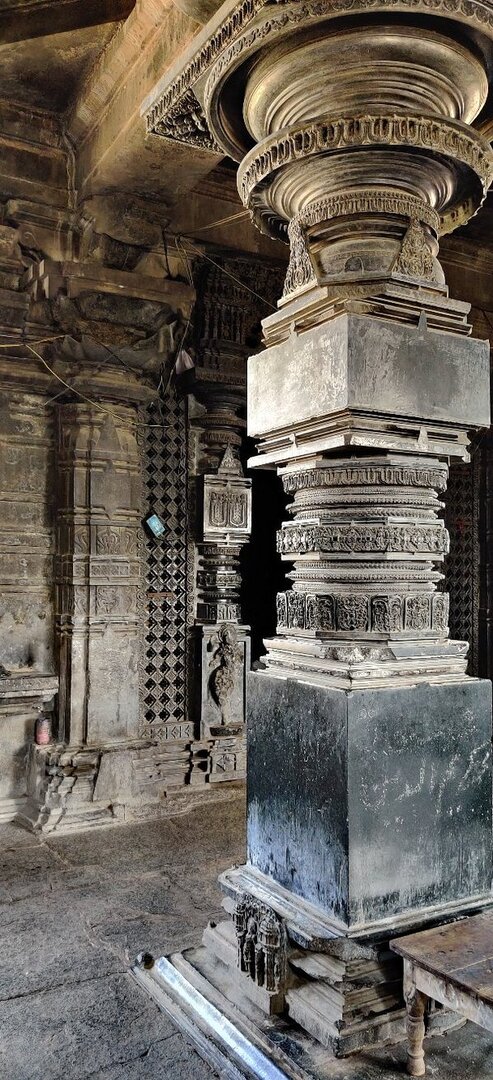
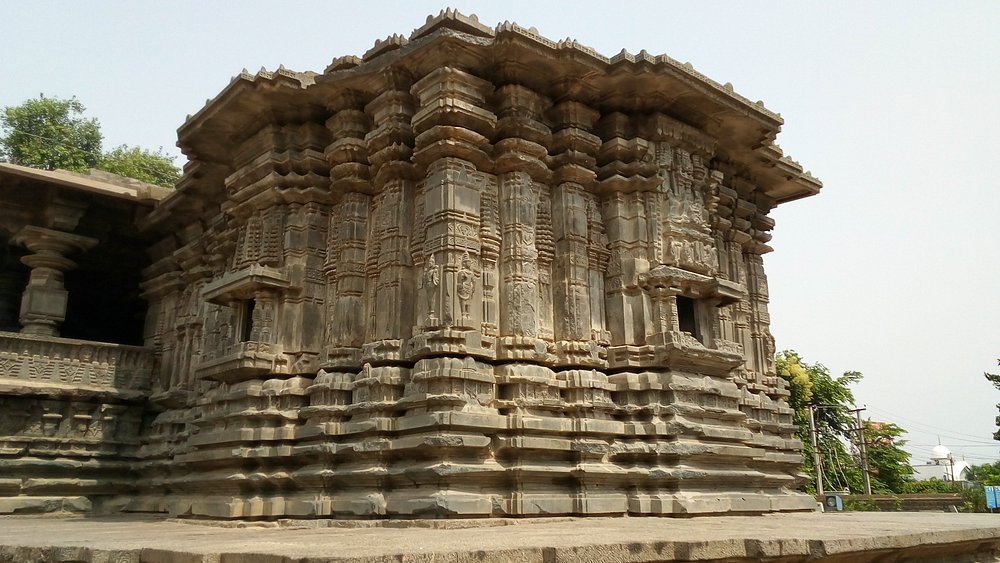
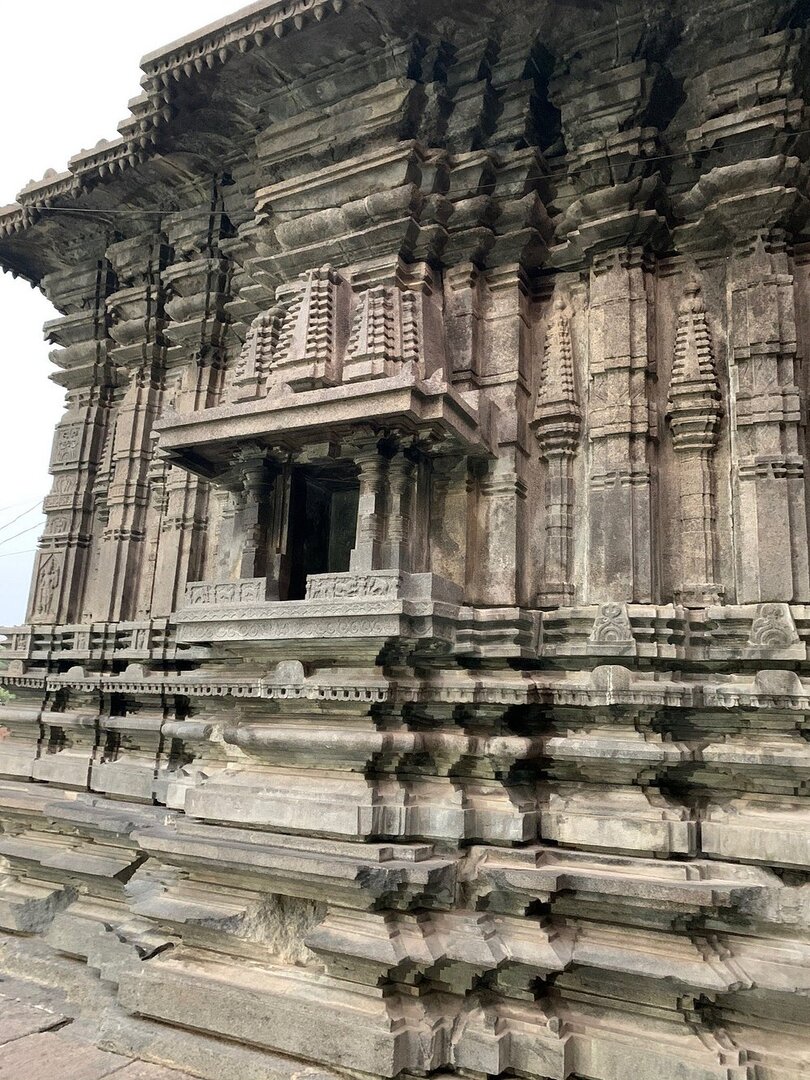
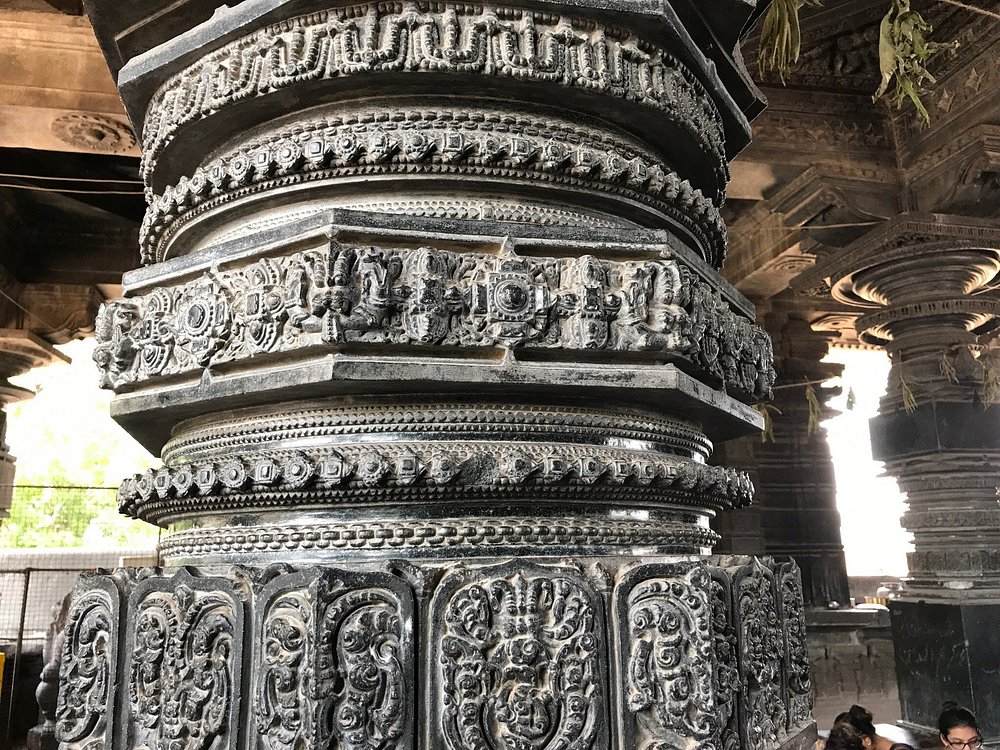
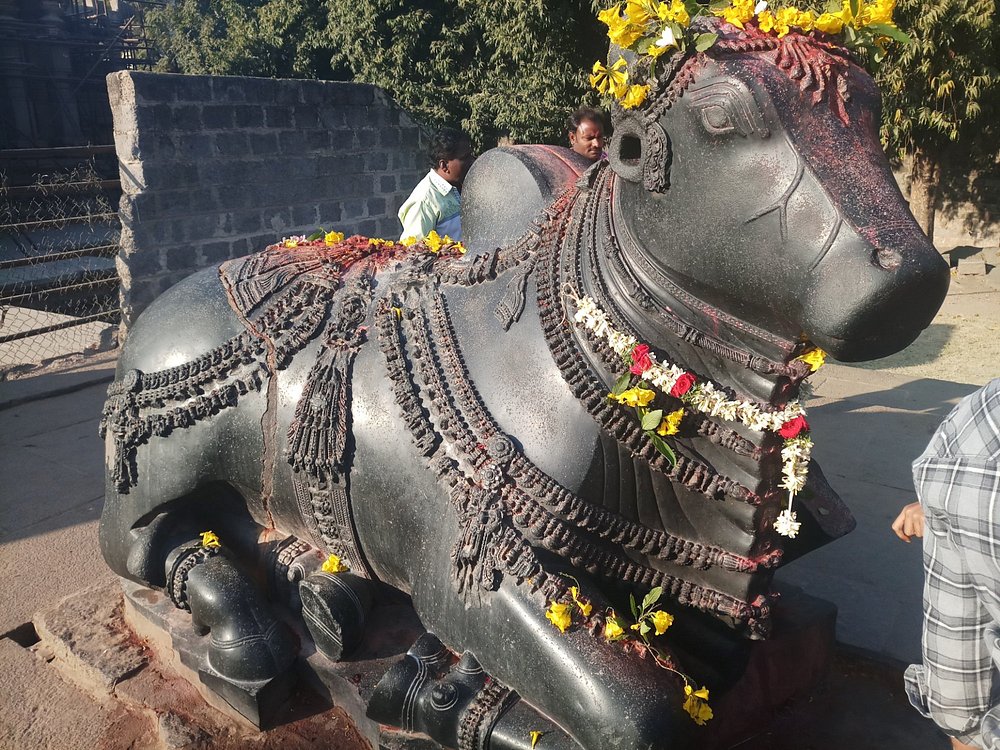
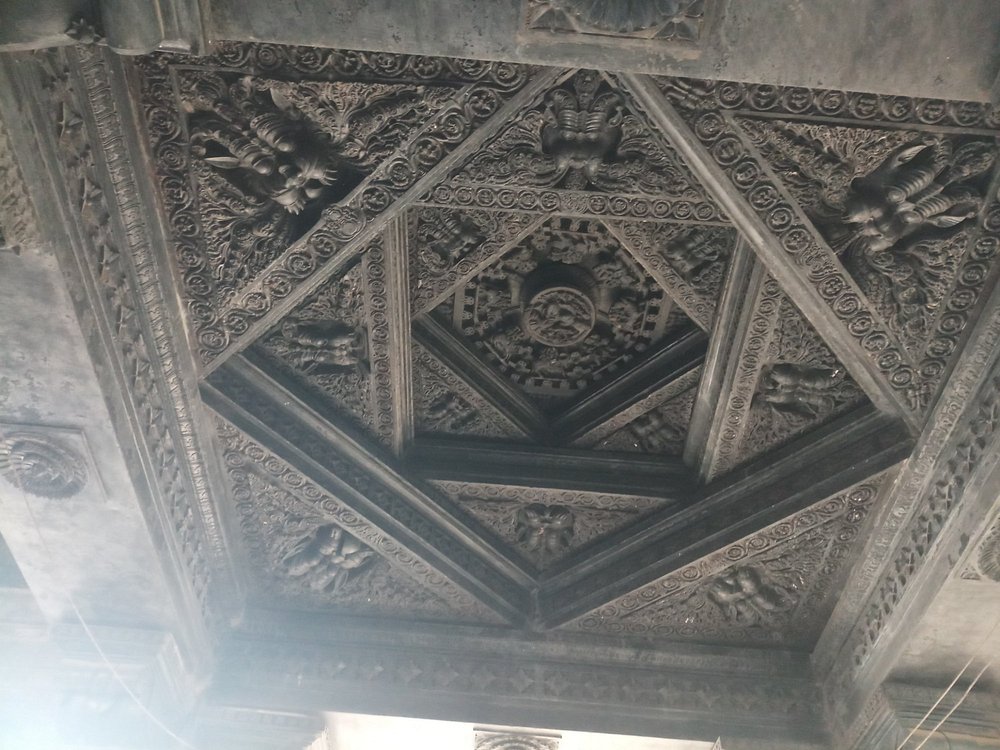
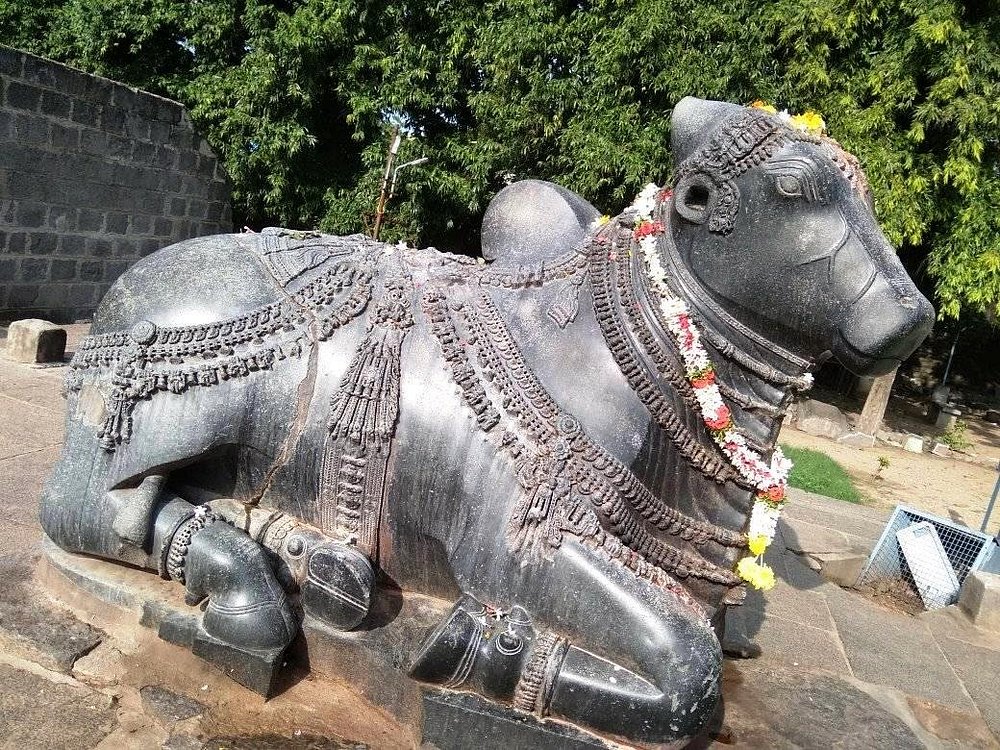
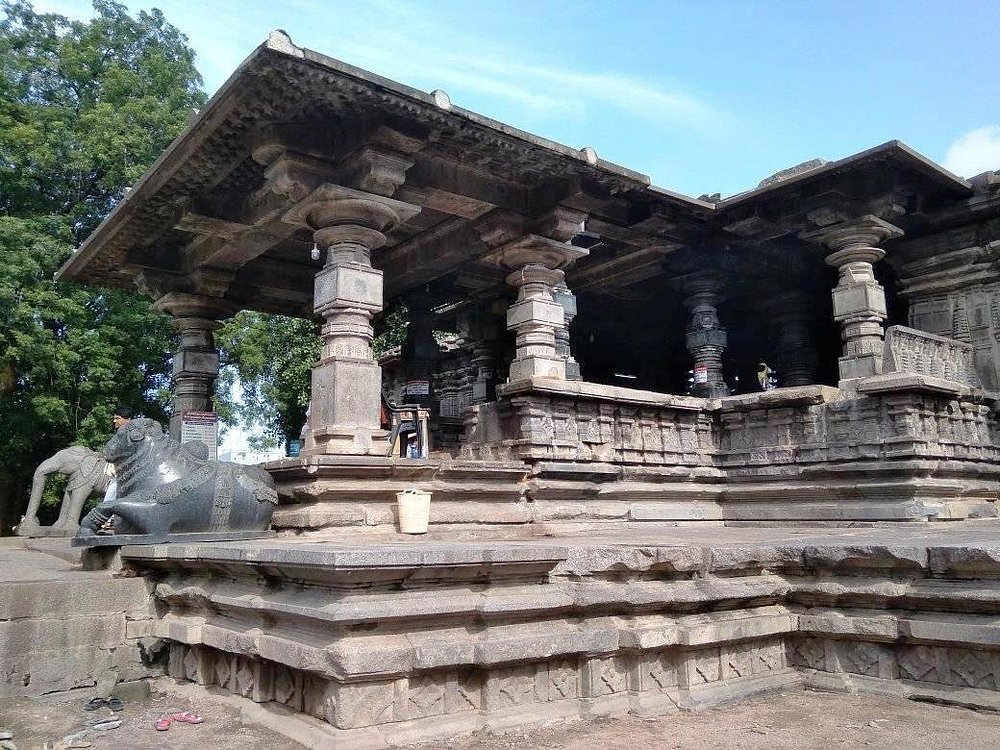
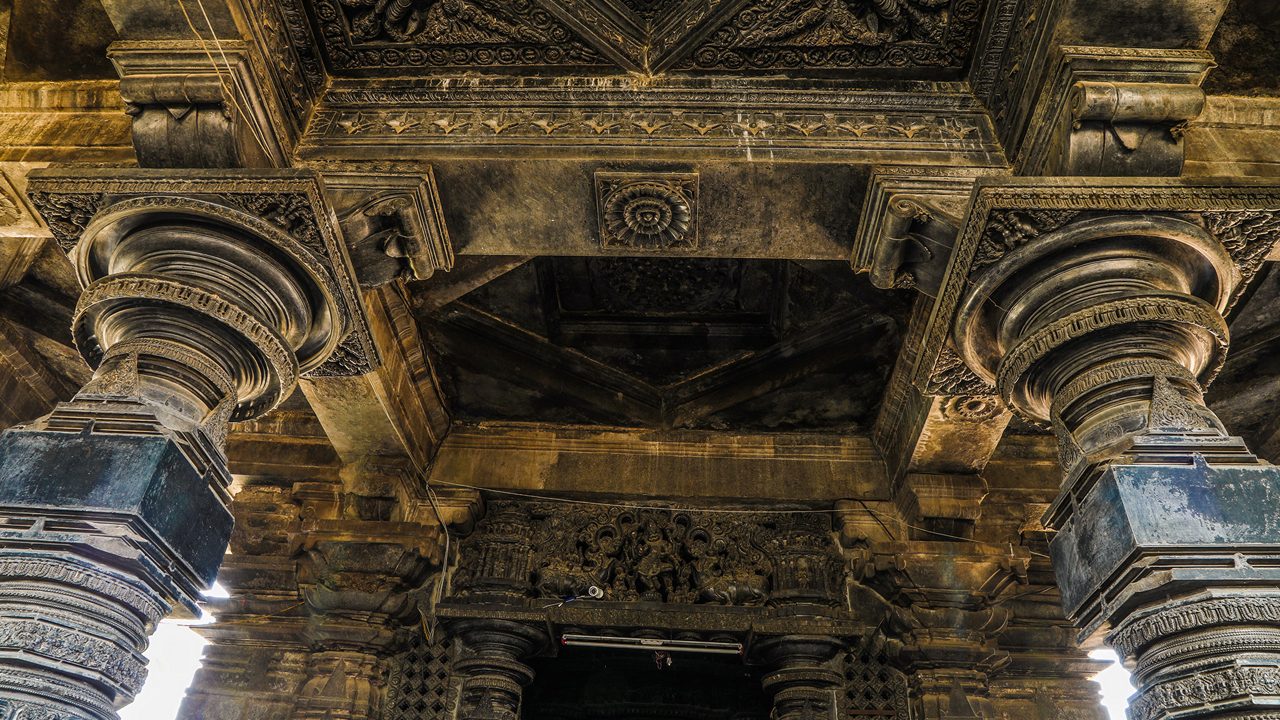
Today, the temple is maintained by the Archaeological Survey of India (ASI) and continues to attract visitors for its extraordinary craftsmanship. As the name suggests, the temple is famous for its intricately carved pillars, each displaying exceptional artistic detail. One of the most striking features of the temple is the massive Nandi statue, beautifully carved from a single block of black stone, which sits gracefully facing the main shrine of Lord Shiva.
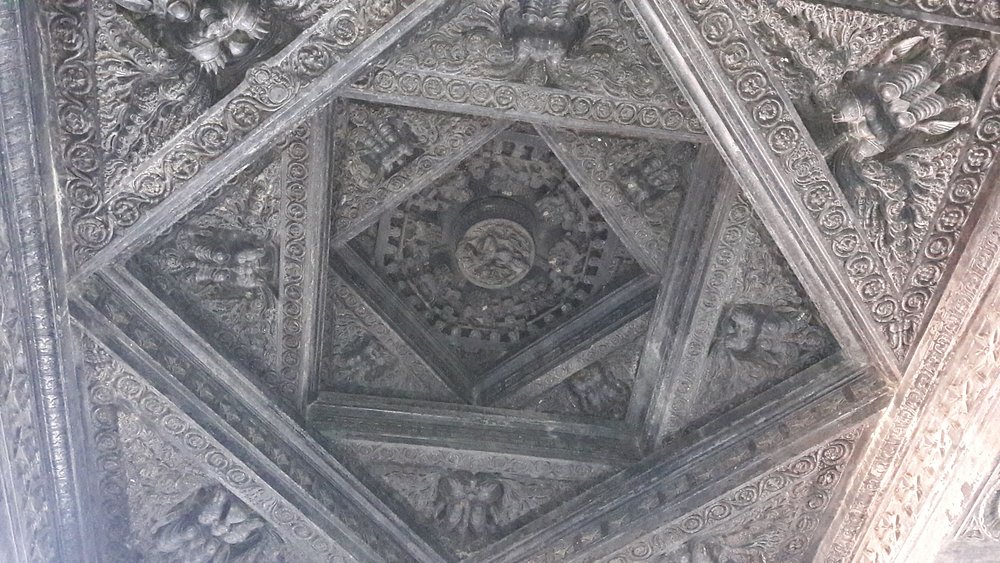
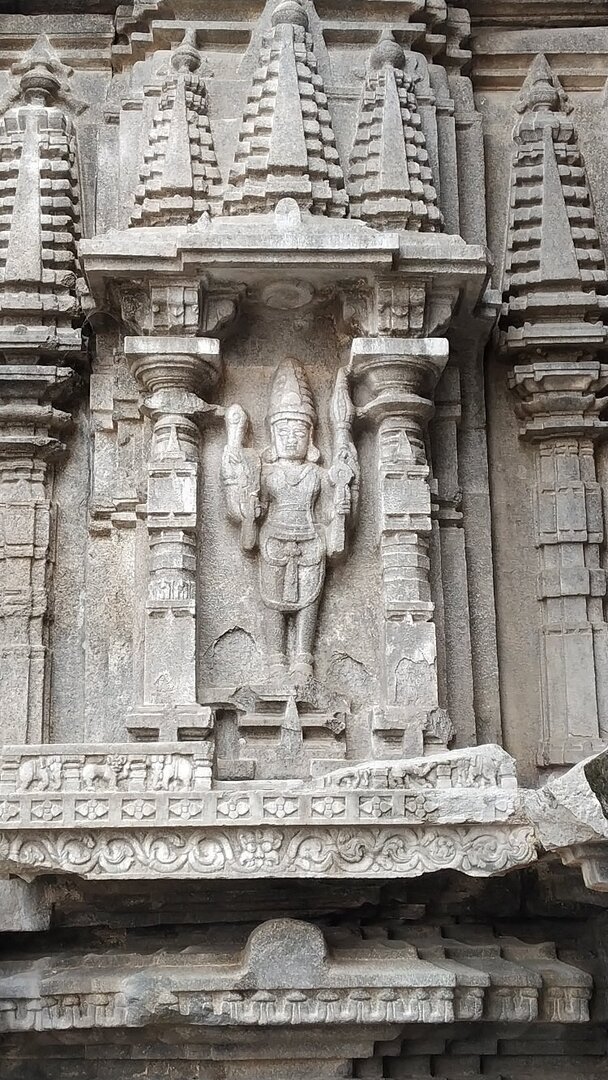
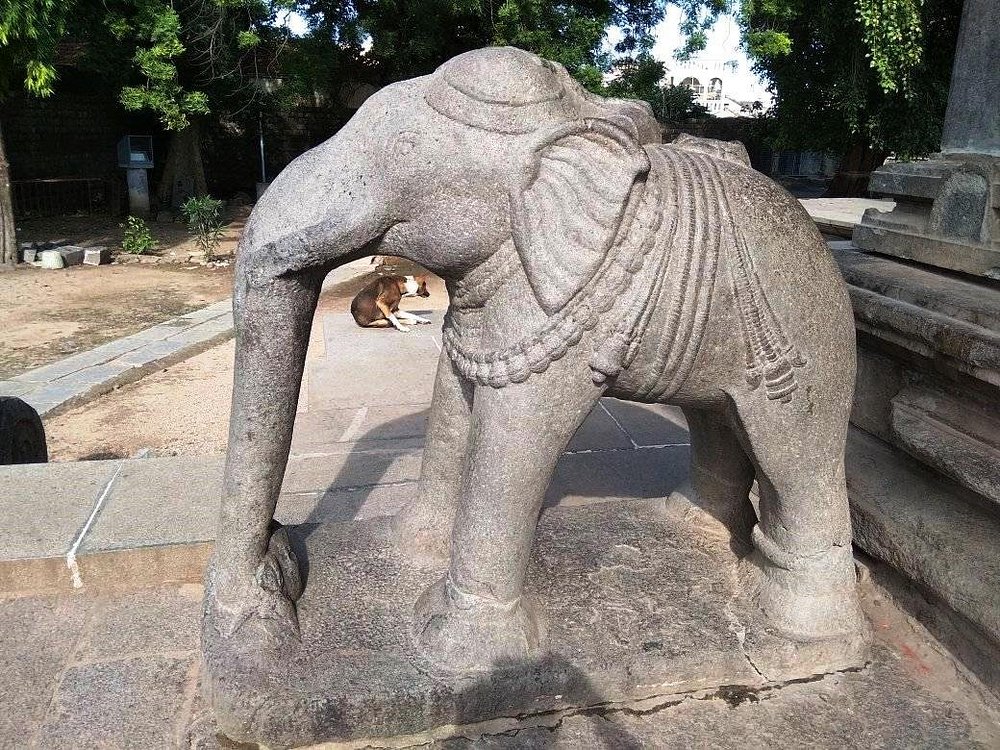
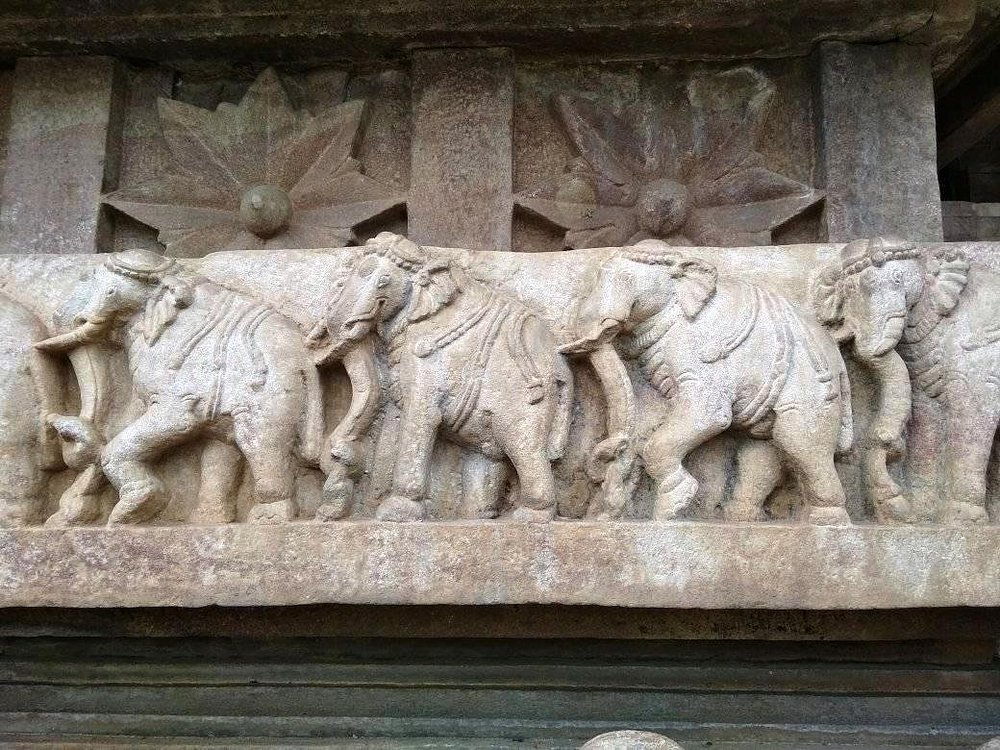
In addition to the pillars and Nandi sculpture, visitors can admire the rock-cut elephant carvings and delicate stone engravings that adorn the temple structure. These artistic details highlight the advanced stone-carving techniques and cultural richness of the Kakatiya period.
The Thousand Pillars Temple remains not only a place of worship but also a treasured heritage monument that reflects the spiritual, cultural, and architectural legacy of Warangal.