Ramappa Temple
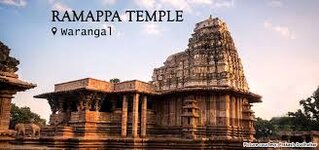
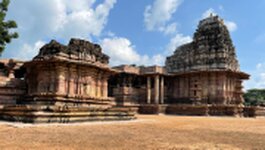
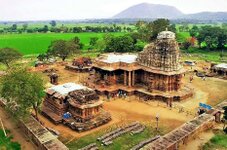
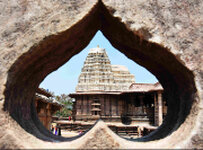
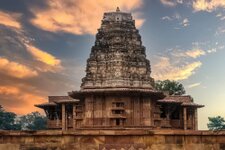
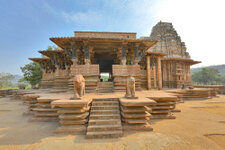
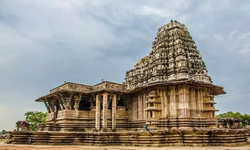
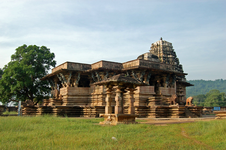
Ramappa Temple, also known as Rudreshwara Temple, is one of the most remarkable historical and architectural treasures of Telangana. Located about 70–75 kilometers from Warangal, the temple stands as a magnificent symbol of the artistic brilliance of the Kakatiya dynasty. Surrounded by scenic greenery and tranquil landscapes, the temple has become a favorite destination for history enthusiasts, heritage explorers, and architecture lovers.
UNESCO World Heritage Recognition
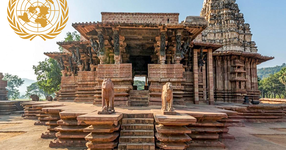
In 2021, Ramappa Temple was inscribed as a UNESCO World Heritage Site, highlighting its immense cultural and architectural significance. Dedicated to Lord Shiva, the temple represents the exceptional craftsmanship and engineering skills of the Kakatiya period, making it one of India’s most treasured heritage monuments.
Architectural Brilliance
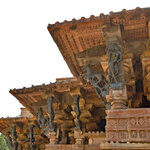
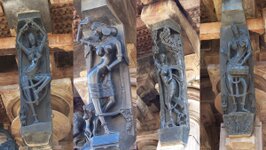
The temple was constructed in the 13th century by Recharla Rudra, a general serving under the Kakatiya rulers. Built using red sandstone, granite, and specially designed lightweight bricks, the structure reflects the distinctive style of Kakatiya architecture. Every part of the temple—from its pillars and ceilings to its walls—is adorned with intricate carvings and elegant sculptures, showcasing the remarkable skill of the craftsmen of that era.
The Temple Complex
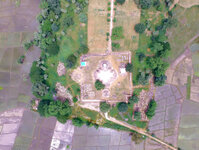
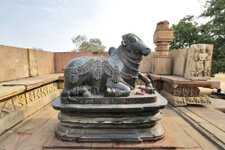
The temple stands on a raised platform, decorated with beautifully carved panels that portray Hindu deities, mythological scenes, and intricate ornamental designs. The sanctum houses a Shiva Lingam, which is the main focus of worship. A finely carved Nandi (bull) statue faces the sanctum, adding to the temple’s spiritual and architectural grandeur. The outer walls are richly decorated with stone sculptures depicting stories from Hindu mythology, reflecting the artistic excellence achieved during the Kakatiya period.
Remarkable Pillars and Sculptures
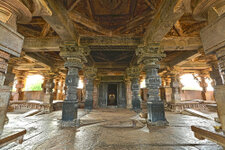
The temple’s pillars are among its most striking features. Each pillar is carved with delicate patterns and detailed figures that demonstrate the extraordinary talent of Kakatiya artisans. These sculptures not only add aesthetic beauty but also serve as historical expressions of the cultural life of that time.
The Mystery of the Floating Bricks
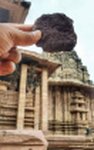
One of the most fascinating aspects of Ramappa Temple is the use of lightweight floating bricks in its construction, particularly in the roof structure. These bricks are so light that they can float on water, a unique engineering technique that continues to intrigue architects and historians even today.
Scenic Surroundings
Ramappa Temple is set amidst a peaceful natural environment, with lush greenery and the nearby Ramappa Lake enhancing the charm of the location. The calm surroundings create a serene atmosphere, making it an ideal place for visitors to explore history while enjoying nature’s beauty.
A Symbol of the Kakatiya Legacy
Often described as the “jewel of Kakatiya architecture,” Ramappa Temple beautifully reflects the cultural richness, artistic excellence, and architectural innovation of the Kakatiya dynasty. Even centuries after its construction, it continues to inspire admiration from visitors around the world.
Best Time to Visit:
The most pleasant time to visit the temple is between October and March, when the weather is cooler and comfortable for sightseeing.
The most pleasant time to visit the temple is between October and March, when the weather is cooler and comfortable for sightseeing.
How to Reach:
Ramappa Temple is well connected to Warangal and Hyderabad by road. Visitors can easily reach the temple by taxi or bus from Warangal Railway Station, while the nearest airport is Hyderabad, located about 150 kilometers away.
Ramappa Temple is well connected to Warangal and Hyderabad by road. Visitors can easily reach the temple by taxi or bus from Warangal Railway Station, while the nearest airport is Hyderabad, located about 150 kilometers away.